Summer 2026 Environmental News Digest
Stories
Summer 2026 Environmental News Digest
August 2026
There is so much breaking news happening every day that it’s easy to miss the environmental stories you care about. That’s why we’ve rounded up the latest forest and climate news into this monthly digest! Here you’ll find articles about our campaign progress and impactful stories we’re reading to keep you up-to-date and inspired. If you want this digest sent to your inbox each month, sign up to our newsletter here.
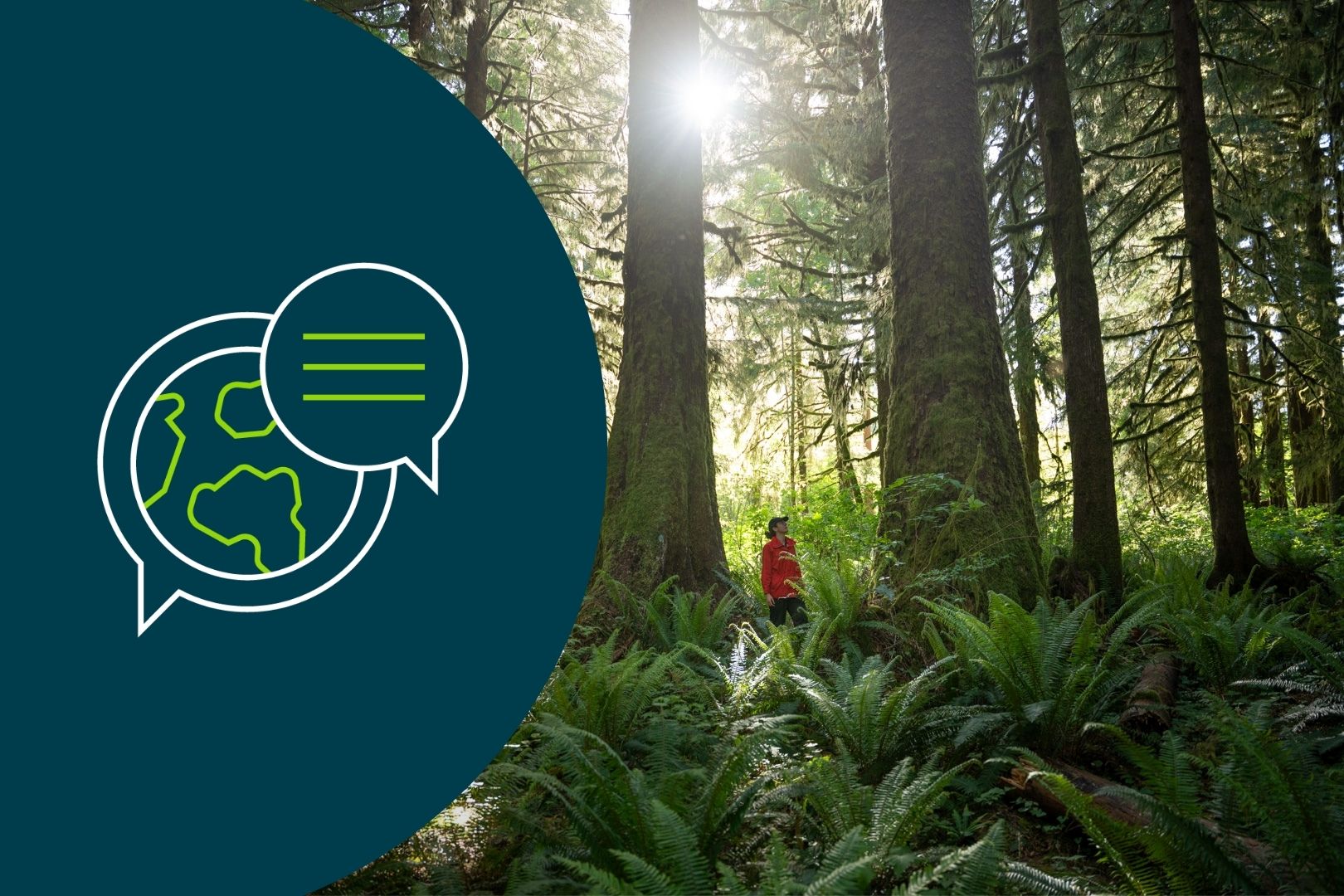
Photo by Mary Paquet.
Forest news coverage of Sierra Club BC
- A new AP feature follows climate activists blockading logging roads near Port Renfrew, camping overnight and turning a logging truck around early in the morning. The story cites SCBC data and insight showing that Vancouver Island’s remaining forests, “store more carbon per hectare than nearly any forest system.” Read the AP story here. The story was also picked up by Fortune and other outlets.
Climate news coverage of Sierra Club BC
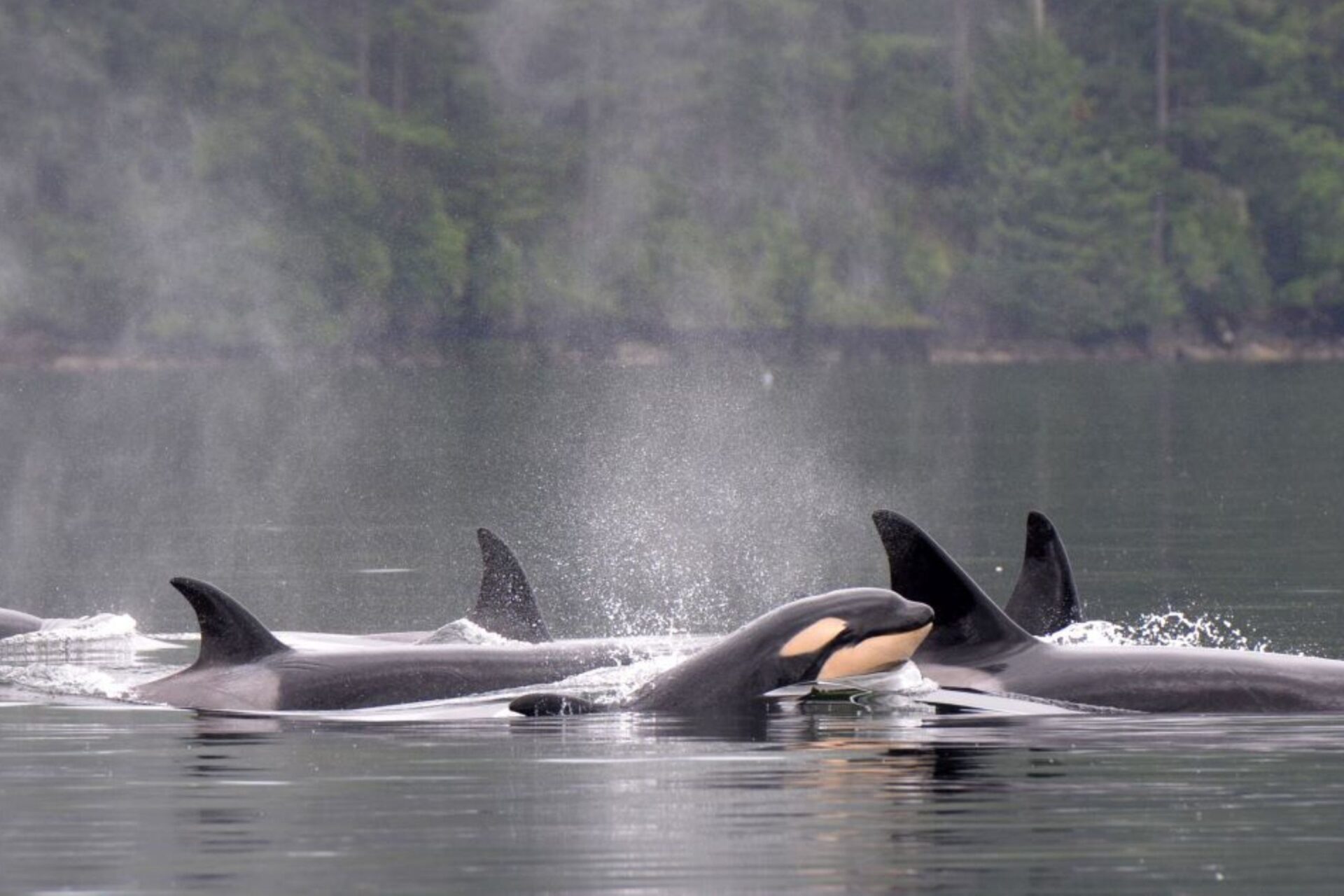
- With news that Prime Minister Carney was upholding the North Coast oil tanker ban to make way for a new Alberta bitumen pipeline to B.C.’ south coast, SCBC Campaigns Director Shelley Luce spoke to CTV News about the noise pollution affecting Southern Resident orca populations with increased traffic. Watch the news piece here.
- In a radio interview with station AM1150, SCBC Organizer Flossie Baker said she felt “hugely relieved and grateful” the north coast ban is staying in place but noted more oil tankers moving through the Salish Sea would add pressure to endangered Southern Resident orca populations. Read more here.
- SCBC Education Program Manager Cèilidh Smith was interviewed on a new B.C. based podcast called It takes a village. The episode takes a deep dive into her path to environmental education, the work behind SCBC, and using critical thinking to create optimism in conservation. Listen to the episode here.
What we’re reading
- Some First Nation Leaders say the government failed to consult them before announcing the West Coast oil pipeline. Provincial and federal governments have a legal duty to consult with every Nation whose interests are affected. Read more about it in the CBC.
- An analysis suggests that the global demand for oil may have dropped by as much as 9%, showing that consumers and governments adjusted without a coordinated hold on oil usage and further casting doubt on the need for new fossil fuel projects. Read about it via Yahoo Finance.
- As the province pushes to increase logging rates, companies are now moving further into high-elevation forests once considered too remote to log, according to a recent investigation by The Tyee. B.C.’s most remote forests aren’t safe from the push for more logging, and the species that depend on them are running out of places to go, writes Ben Parfitt. Read it here.
- Alberta’s got a new plan for a southern pipeline to B.C.’s coast — it still won’t be easy. An already heavily trafficked B.C. estuary is under pressure to industrialize more for the proposed project. Read more about this via the CBC.
- Xatśūll First Nation urges Canada to better protect endangered mountain caribou after B.C. fails to do so. “We need the federal government to use the tools that it has,” said Kúkwpi7 (Chief) Rhonda Phillips of Xatśūll First Nation. Southern mountain caribou are listed as threatened under the Species at Risk Act. Read more in the CBC.
- BC Parks calls it ‘a luxuriously forested sanctuary.’ Just don’t try to visit. Carmanah Walbran Park is inaccessible to visitors, as B.C. approves logging company’s decision to gate roads. Read more about this in the Narwhal.
- B.C. just spent $74,900 to kill a single wolf in the Kootenays. The program exists to save at-risk caribou, but critics want Ottawa to move to preserve herds’ old-growth habitat. Read more about it The Tyee.
Letters to the editor
These are some letters to the editor that have been shared with us by Sierra Club BC members:
- “LNG is not the way forward” Read it in the Delta Optimist.
Interested in submitting your own letter? Writing in to your local paper is a good way you can help connect the dots to climate change and show your neighbours they’re not alone in their worry. We’ve put together a guide on how to get published, from finding the contact for your local paper to tips on writing. Read it here.
Want environmental news sent right to your inbox?
Join the thousands of people subscribed to our email list! Sign up today.
Explore more stories
You can help protect healthy ecosystems
Donate today. Together, we can build a brighter future.