How to publish a Letter to the Editor about climate change
Stories
How to publish a Letter to the Editor about climate change
August 2026
In the midst of another devastating wildfire season, many news outlets aren’t addressing the root cause of these disasters: climate change caused by burning fossil fuels. Writing in to your local paper is a good way you can help connect the dots to climate change and show your neighbours they’re not alone in their worry. This guide will show you how to get published, from finding the contact for your local paper to tips on writing.
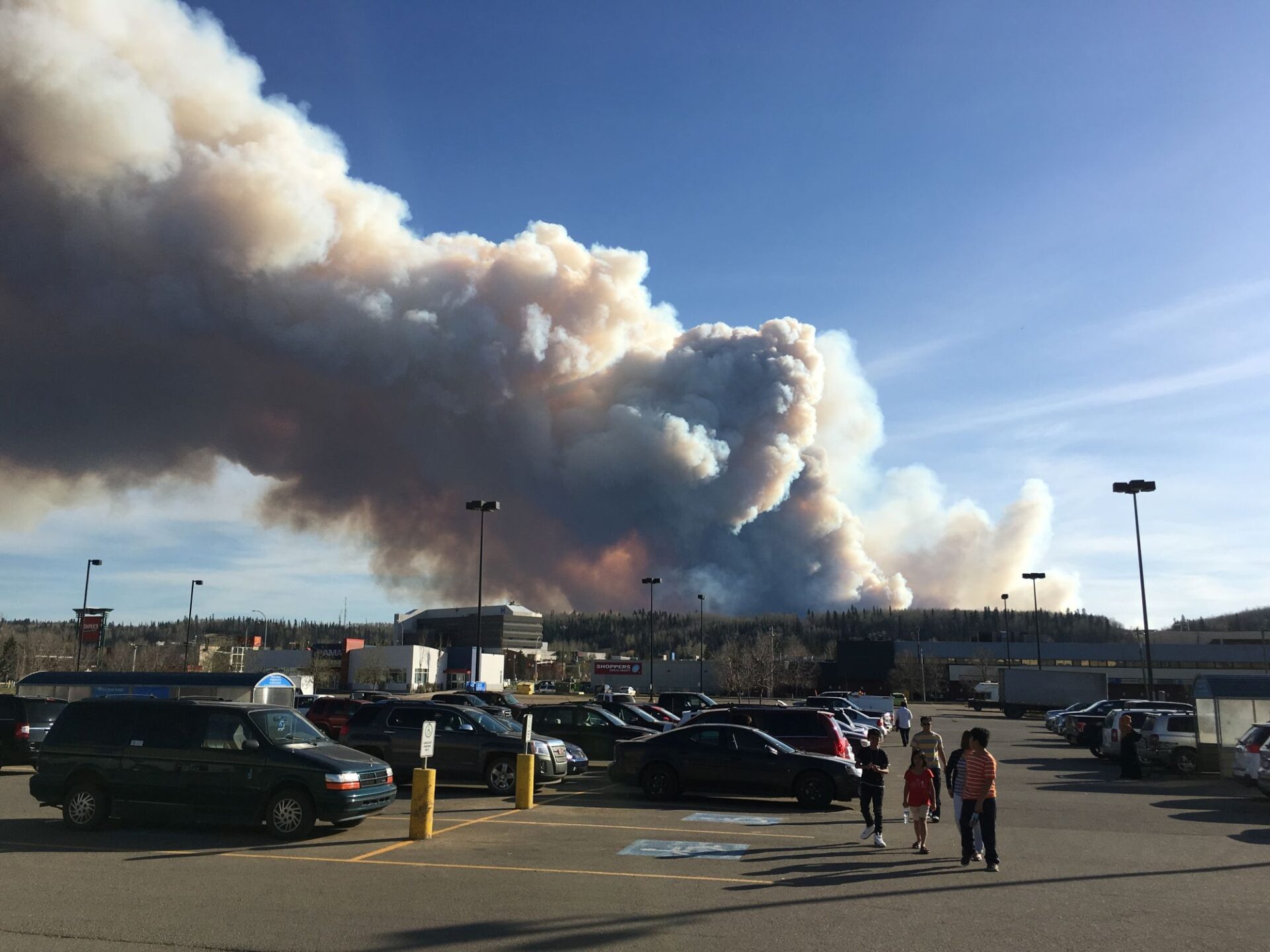
The majority of Canadians are worried about climate change and the worsening disasters our communities are facing because of it. Yet many of us feel alone in our concerns and news outlets aren’t often connecting extreme weather to the root cause: burning fossil fuels. Getting published in your local paper can help change that. (Photo by Jason Woodhead, CC-BY-2.0).
Why publishing about climate change matters
We are once again in another season of catastrophic devastation from wildfires. This is hurting our communities across B.C. and beyond. Many of us are feeling scared and worried about what this means for our families and neighbours. Whether it’s fear of evacuations or breathing in toxic smoke, everyone is being impacted.
Even though 75% of Canadians are concerned about climate change, many of us feel alone in our worry. This is largely because we’re not seeing headlines talk about how burning fossil fuels is driving extreme weather, and many of us are not talking to each other about it.
We want to make it normal to say plainly: Climate change is making these disasters worse. Fossil fuel pollution is driving climate change. And decisions we make today about fossil fuels will shape how dangerous the future becomes. You are not alone in your concerns.
Writing a letter to the editor in your local paper is a good way to move the dial in your community. Your letter may be doing more than reaching an editor. It may be reaching the neighbour who has been wondering whether anyone else feels the same way. It may reach our elected leaders so they hear clearly that safety means more than fighting the next fire; it means reducing the pollution that is making the next fire more dangerous.
Below, you’ll find a guide on how to get published, including how to find the contact for your local paper and tips on writing.
How to find the contact info for your local paper
To find your local B.C. newspaper’s letter to the editor contact:
- Check the editorial or opinion page in the print edition.
- Look for an “Opinion,” “Contact Us,” or “Submit a Letter” link in the footer of the newspaper’s website.
To write to the major newspapers in B.C., contact:
- Vancouver Sun: Submit to sunletters@vancouversun.com or use this form. (Keep to 150-200 words or less)
- The Province: Submit to provletters@theprovince.com or use this form
- Time Colonist: Submit to letters@timescolonist.com (here’s their submission guide)
- Globe and Mail: Submit to letters@globeandmail.com (keep submissions under 150 words)
- Financial Post: Submit to letters-2@nationalpost.com
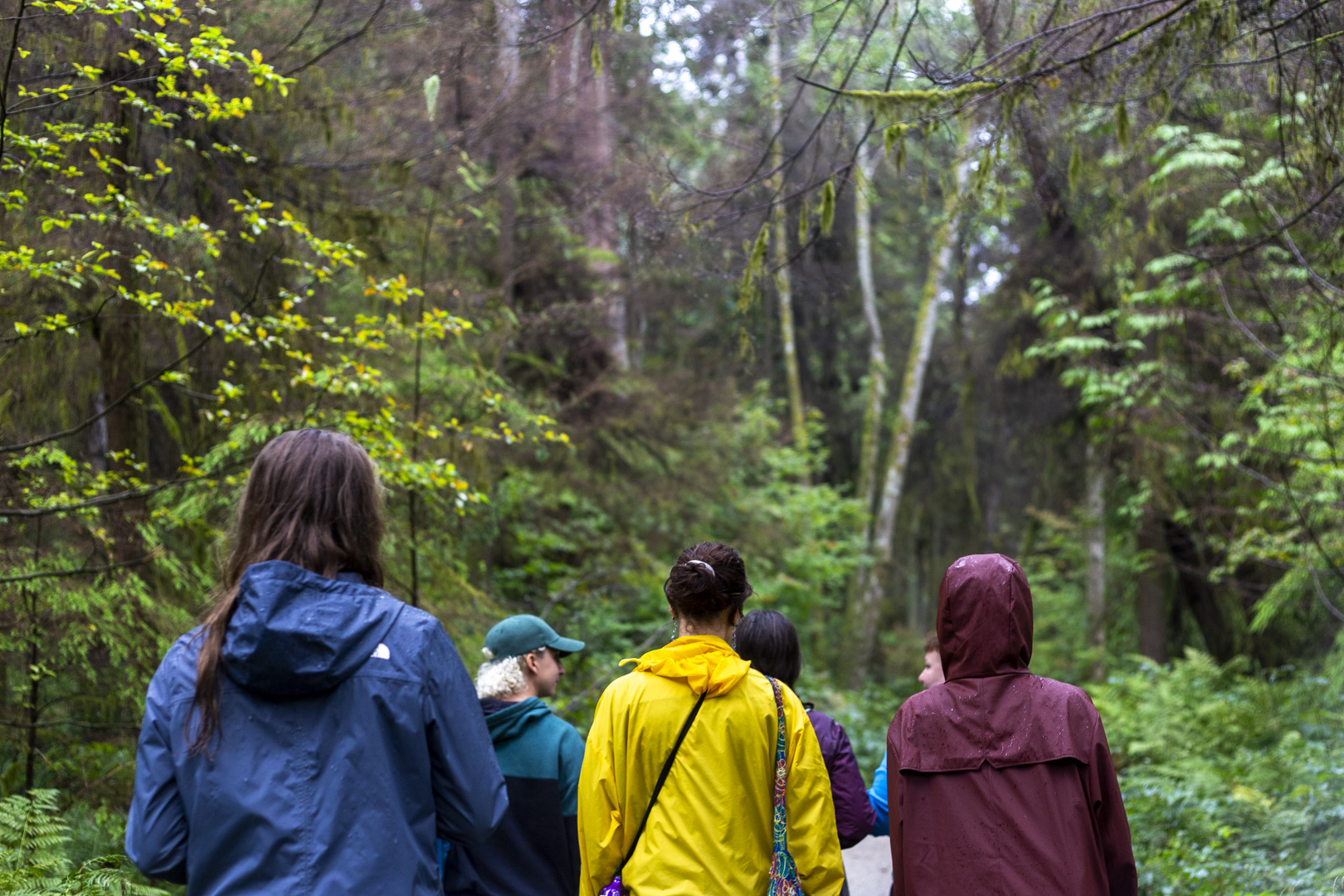
You are not alone in worrying about the worsening disasters our communities are facing because of fossil fuel pollution. 75% of Canadians are deeply concerned about climate change (Photo by Nila Sivatheesan).
How to write a letter to the editor
Make your writing personal
A personal letter of 150–250 words is enough for local newspapers to publish. Double check the submission guidelines for the exact word count specifications.
If you have a personal story, please consider sharing it. If you are not sure where to begin, start with one sentence about what this summer has felt like for you, then name what needs to change.
For example, maybe you’ve watched smoke settle over your neighbourhood. Maybe you’ve been under an evacuation alert. Maybe you’re grieving a forest, landscape, or community that has changed. Maybe you’re worried about what this means for your kids. Or maybe you’re simply asking: How many more summers like this are we going to accept?
If you’d like any support in writing a letter to the editor, our organizer David Quigg is happy to help. You can reach him at DavidQ@sierraclub.bc.ca.
Connect the dots to climate change and fossil fuel pollution
You don’t need to be an expert in climate science. A simple connect-the-dots will do.
Here are some ideas to put into your own words after you have started your letter with a personal connection.
- Human-caused climate change is making B.C. hotter and drier, increasing the risk that fires grow larger, burn more intensely, and produce more dangerous smoke.
- The burning of fossil fuels is the main driver of climate change, and new fossil fuel infrastructure locks in decades of pollution.
- Governments must use public money to make communities safer, not expand oil and LNG projects that increase climate pollution that puts us all in greater danger.
Inspiration for you
Here are some examples of other concerned community members who have written in to their local papers:
- A family doctor in Nanaimo concerned about the health impacts of heat waves, published in the Nanaimo Bulletin.
- A Castlegar resident concerned about wildfire smoke and town evacuations, published in The Castlegar Source.
We’re here to help!
If you’d like support or have any questions, reach out to our Organizer, David Quigg, at DavidQ@sierraclub.bc.ca.
Once you’re done, don’t forget to email us a copy so we can track how many letters to the editor are getting submitted across B.C.!
Thank you for adding your voice. Together, we can help connect-the-dots and put the focus on the change we need to all be safer.
Let us know if you wrote something!
We’re tracking Letters to the Editors and op-eds about climate change published across B.C. If you’ve submitted your letter, or would like more support in drafting it, reach out to our Organizer David Quigg at DavidQ@sierraclub.bc.ca.
Explore more stories

You can help protect healthy ecosystems
Donate today. Together, we can build a brighter future.