Watershed under stress: Clearcuts, drought and local leadership on the Sunshine Coast
Stories
Watershed under stress: Clearcuts, drought and local leadership on the Sunshine Coast
May, 2026
The ts’ukw’um (Wilson Creek) watershed is under severe stress due to industrial degradation and global warming, and without change in forest stewardship, the consequences for water, food, and community resilience will get worse.
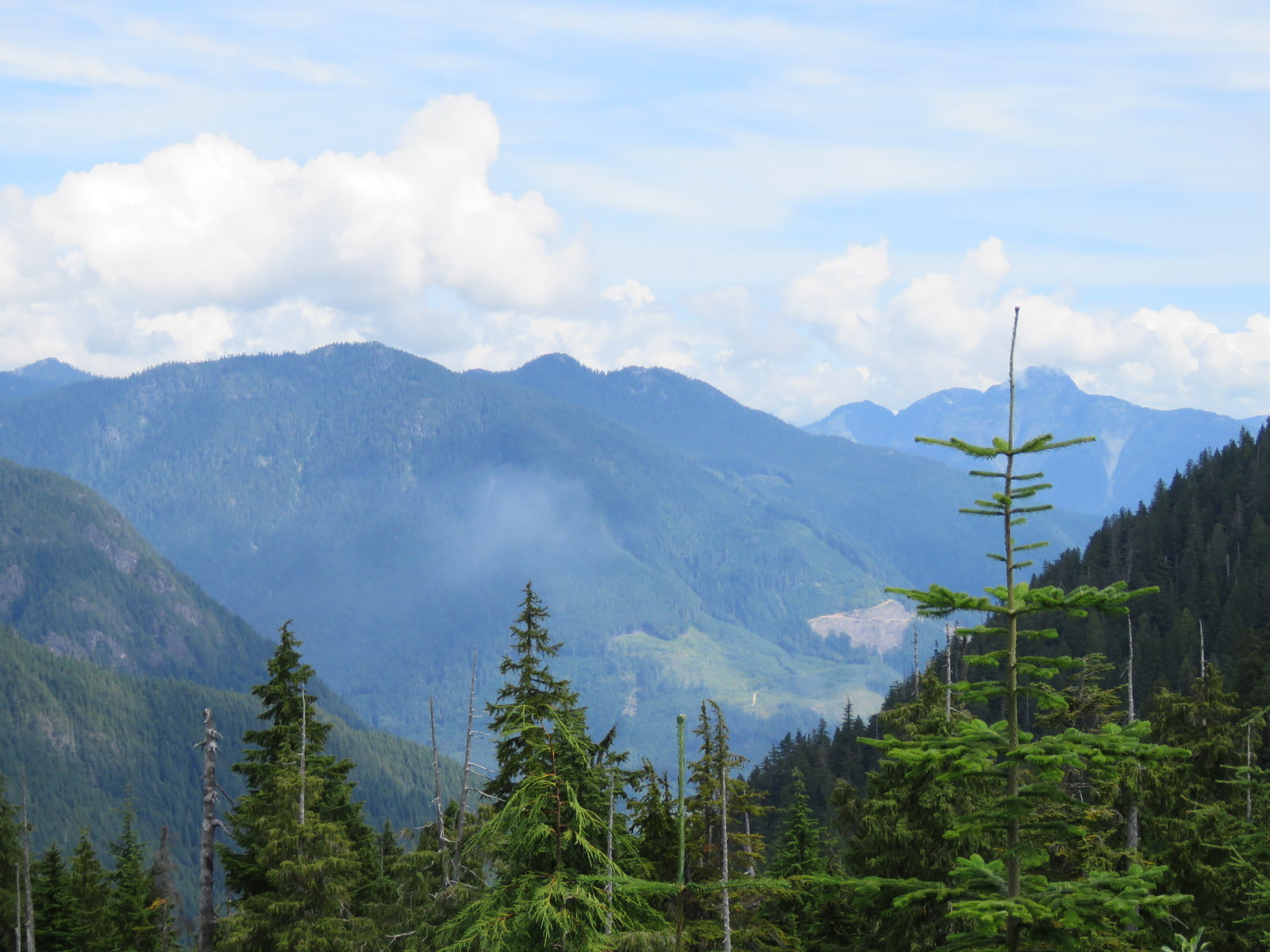
Photo by Jens Wieting.
Laurie Bloom and John Davies have been farming on ten acres of Agricultural Land Reserve within the the ts’ukw’um (Wilson Creek) watershed on the Sunshine Coast for 10 years, they have owned the property for 25 years. In the last few years, they have witnessed declining stream flows, repeated flooding, and worrisome ecological changes like salmon struggling to reach spawning grounds, silt-choked waters, and dwindling pollinators.
“I’ve noticed at least three floods on my lower property in just over a decade and at least three of the last five summers the water in the creek that supports my farm has been alarmingly and uncharacteristically low,” says Laurie.
Their farm, ‘That Bloomin’ Farm’—which donates tens of thousands of dollars’ worth of fresh food annually to the local food bank—depends on a stable water supply. That stability is now in question. This is why Laurie and John have stepped forward not just as farmers, but as advocates for the future of the ts’ukw’um (Wilson Creek) watershed on the Sunshine Coast.
“I have questioned the powers that be on how long it will be before the creek dries up altogether in summer with no reasonable response from government or industry to date,” adds Laurie.
Laurie’s message is urgent and grounded in evidence: this watershed is under severe stress due to industrial degradation and global warming, and without change in forest stewardship, the consequences for water, food, and community resilience will get worse.
A watershed pushed beyond safe ecological limits
To back up their concerns, Laurie and John asked Dr. Younes Alila, a leading expert in forest hydrology at the University of British Columbia for a scientific assessment. His findings confirmed what many residents had observed over years; the watershed has been pushed beyond safe ecological limits by extensive logging and is now experiencing escalating flood and drought risks.
At the heart of the issue is the sheer scale of forest disturbance. B.C. forest management uses the “Equivalent Clearcut Area” (ECA) methodology to assess watershed health. This is a watershed assessment approach that quantifies the cumulative impact of forest disturbances such as logging. A value of 30 percent is considered a high-risk threshold. The Wilson Creek watershed has an ECA of 55 percent—far exceeding this threshold.
This level of logging has fundamentally altered how water moves through the landscape. Forests that once regulated snowmelt, stabilized soils, and recharged groundwater have been replaced by young stands and an extensive network of logging roads. The result is more frequent and intense floods, alongside deeper and longer summer droughts.
These local issues align with broader climate trends. The Intergovernmental Panel on Climate Change has made clear that extreme weather is intensifying, and watersheds already weakened by industrial activity are especially vulnerable. On the Sunshine Coast, this vulnerability became starkly visible when the region declared a drought emergency in 2022—the first of its kind in Canada.
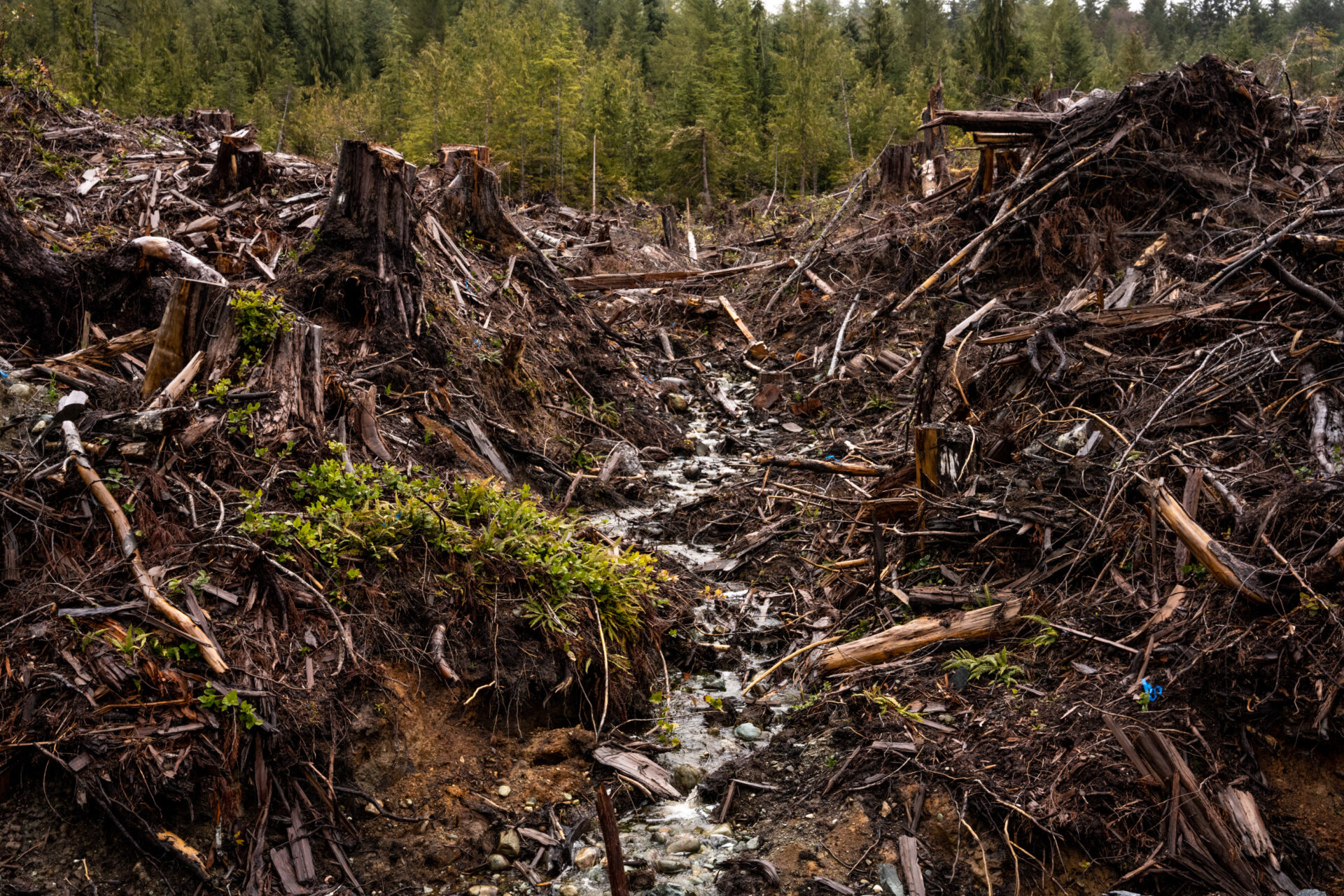
Example of a coastal watershed disturbed by industrial logging (Photo by Mya Van Woudenberg).
The stakes extend beyond one valley
What makes the ts’ukw’um (Wilson Creek) watershed story particularly troubling is not just the damage itself, but how it has been allowed to continue. Past watershed assessments relied on outdated methods that underestimated risk and failed to account for cumulative impacts. Logging has proceeded across multiple tenures without consideration of cumulative effects, effectively turning the watershed into what Laurie and John describe as a “sacrifice zone.”
Local residents, organizations, and members of the shíshálh Nation have raised concerns for years. Hiwus Calvin Craigan, knowledge keeper, hereditary and formerly twice elected Chief of the shíshálh Nation called for a 100-year moratorium on logging in the watershed to allow for recovery—a reflection of both the depth of damage and the time required for healing.
“Because of my background in environmental activism, I’ve been well-versed on the impacts of forest cover removal in watersheds for decades. I’ve pressed for better management in my watershed for decades to little avail so I’ve watched the damage to the watershed continue to grow,” says Laurie. “Both my concerns and evidence presented by myself, and Dr. Alila thus far have been ignored with more logging planned.”
The stakes extend beyond one valley. As climate pressures mount and global food systems become less reliable, communities like those on the Sunshine Coast will increasingly depend on local ecosystems for water and food security. The ts’ukw’um (Wilson Creek) watershed, one of the few viable farming areas in the region, is a critical part of that future.
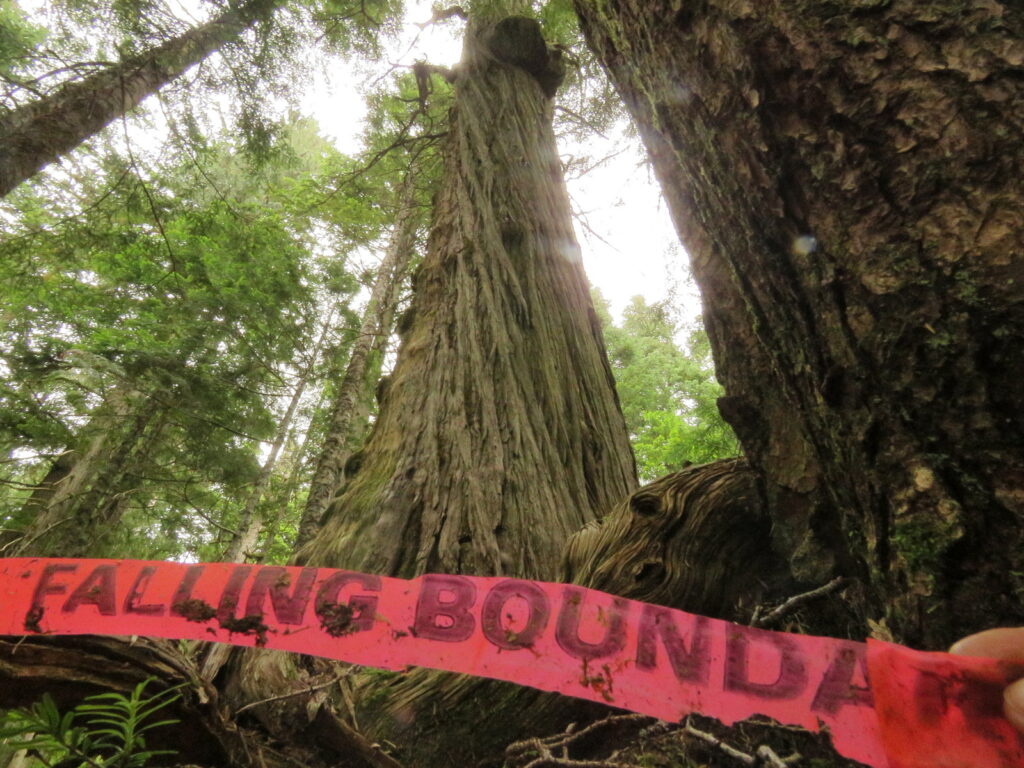
Photo by Jens Wieting.
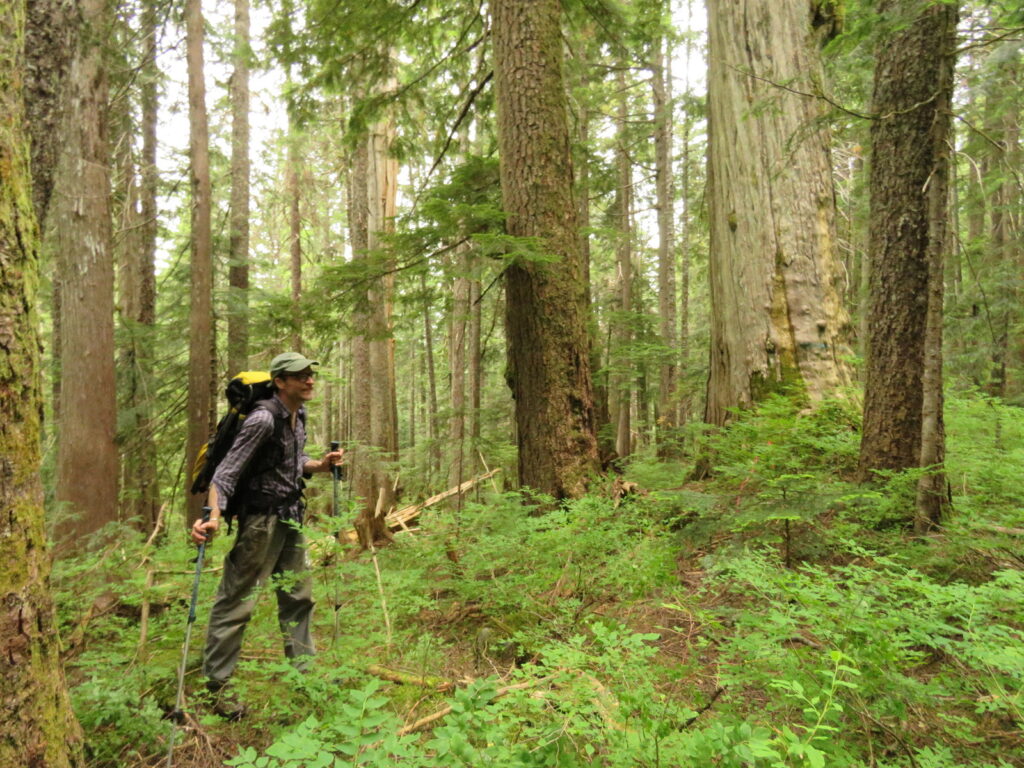
Photo by Jens Wieting.
Meaningful change begins at the community level
Laurie and John’s leadership is an inspiring reminder that meaningful change often begins at the community level. But it will take every one of us to call on the B.C. government to step up to the plate and demand that industry respects the ecological limits of our watersheds.
Watersheds are in crisis and the future of communities like those on the Sunshine Coast depends on the long overdue paradigm-shift in forest stewardship, moving beyond timber and prioritizing ecological integrity and restoration of our natural life support systems.
Click here to read the report prepared by Dr. Younes Alila, Professor of Hydrology at UBC’s Faculty of Forestry.
Explore more stories
You can help protect healthy ecosystems
Donate today. Together, we can build a brighter future.