Here is what you need to know about BC’s latest forestry review
Stories
Here is what you need to know about BC’s latest forestry review
February, 2026
The Provincial Forestry Advisory Council report acknowledges crisis but falls short on solutions
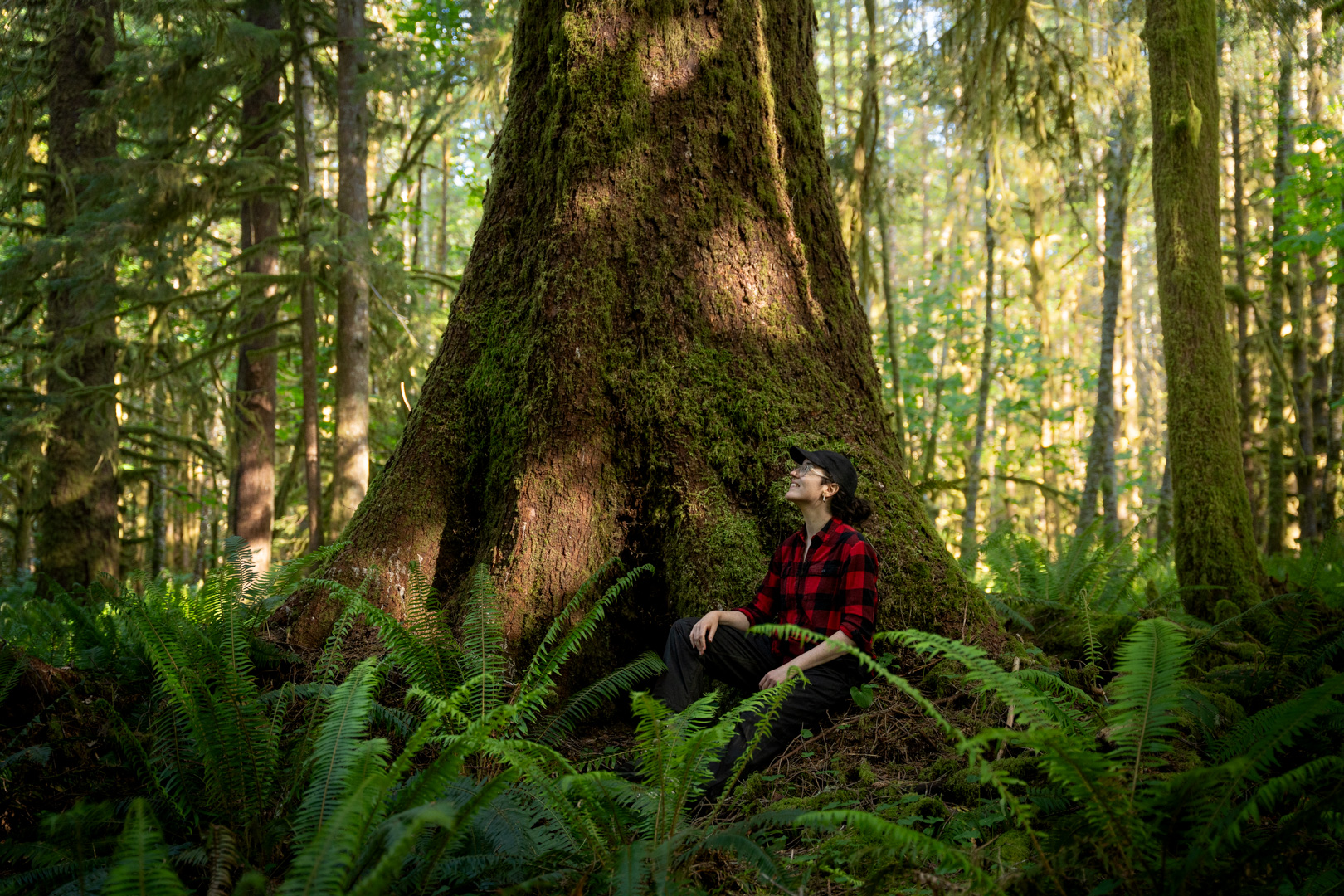
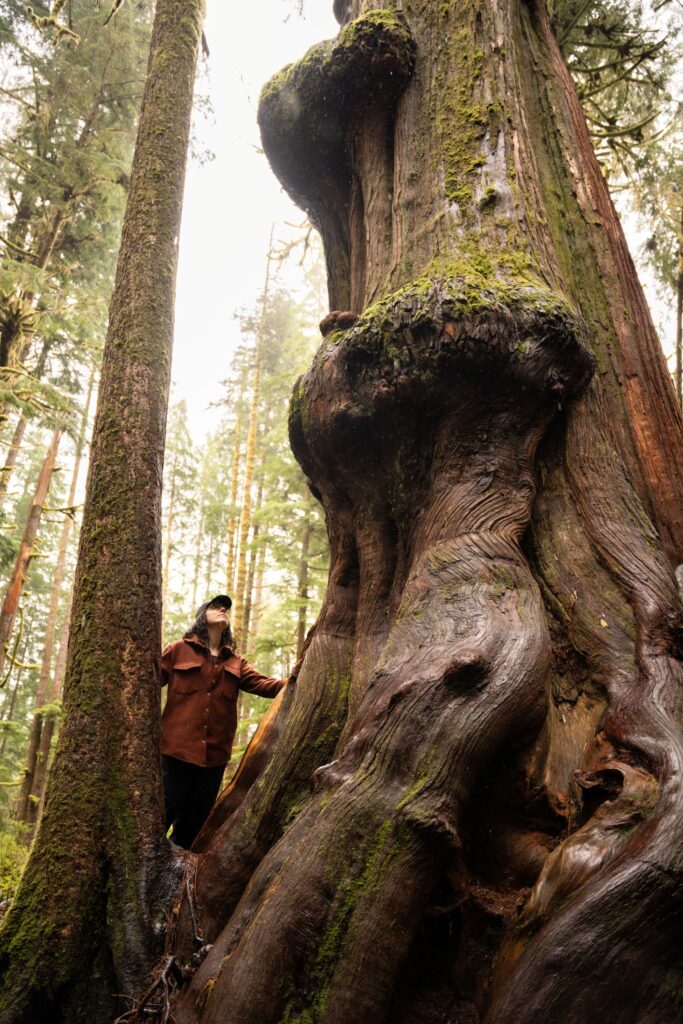
Photo by Mary Paquet/SCBC.
Earlier this month, the B.C. government released a report from the Provincial Forestry Advisory Council (PFAC) that acknowledges the urgent need to change how forests are managed—but stops short of outlining the immediate steps required to make that change a reality before it’s too late.
The PFAC’s report and how the government responds to it carries significant weight. It could shape future forest policy, legislation, and funding decisions across the province.
One of the biggest issues of the report, which was mandated by the now defunct cooperation agreement between the BC NDP government and the BC Green Caucus, is that it does not integrate B.C.’s existing old growth commitments. This includes the deferral of logging in the most at-risk forests and prioritizing biodiversity to ensure a transition to forestry that respects nature’s limits.
Sierra Club BC’s recent ‘Closer to the Brink’ report showed that, despite years of provincial promises to protect ancient forests, on average, every day 100 soccer fields of old growth were cut down in the last four years. At the same time, the provincial government stated the goal to increase logging levels—further intensifying the crisis. The consequences have been devastating for biodiversity, the climate, and the forest-dependent workers and communities who rely on healthy, resilient ecosystems.
The PFAC report emphasizes the need to move away from a wood-volume-based system to an area-based “Land Care” approach. Such an approach could very well support the overdue shift towards making biodiversity a priority for forest management. But the PFAC failed to integrate their new ideas with unrealized provincial old growth commitments.
This is extremely concerning, as B.C. appears stuck in responding to the ongoing crisis by convening new panels to issue new recommendations without following through on past commitments.
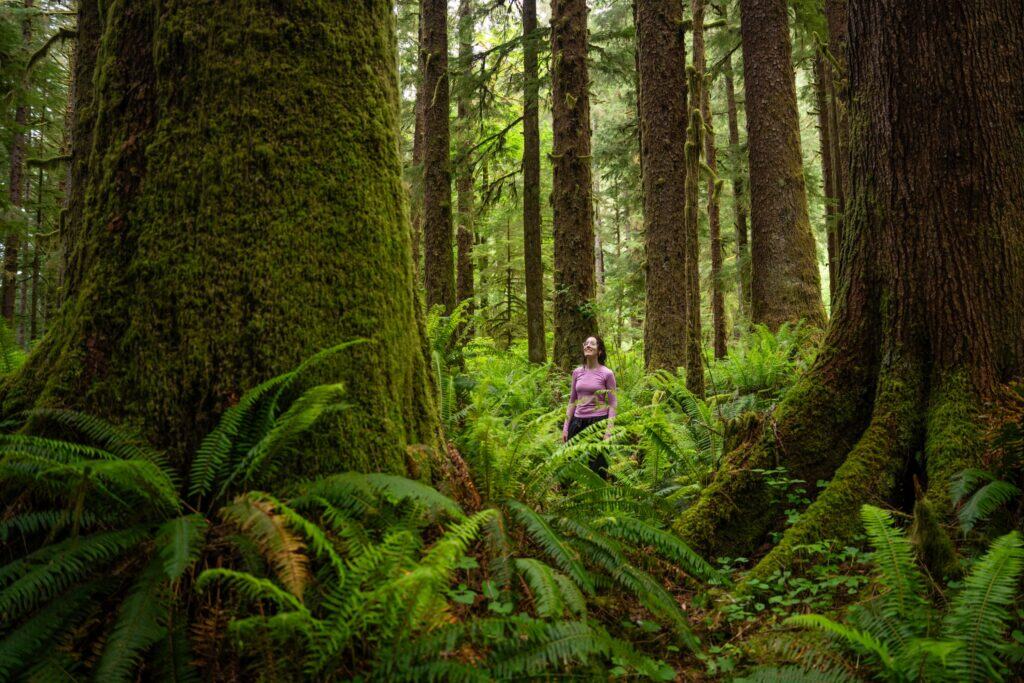
Photo by Mary Paquet/SCBC.

Photo by Mya Van Woudenberg/SCBC.
The disconnect between discussion and reality is captured powerfully by Dr. Peter Wood, UBC’s Faculty of Forestry & Environmental Stewardship , who is quoted in The Tyee: “I’ve got this image in my mind where we’re looking at the last slice of pie, and discussing how to allocate the remaining piece,” he said. “One person is eating the pie as you’re having the conversation.”
One dramatic example is the report’s call for improved maps and data. Sure, this needs to be part of the ongoing effort to improve forest management. But in the interim it is paramount to use the best available information, follow a precautionary approach and “stop the bleeding,” This means using the provincially endorsed deferral recommendations developed by the Old Growth Technical Advisory Panel until careful long-term plans based on improved data can be finalized.
In summary, the PFAC report matters because it confirms that B.C. needs urgent forestry reforms. What matters more is whether the B.C. government will finally find the courage to step up to the plate for long-term health of forests and communities. The longer we delay action while at-risk forests continue to be cut, the harder it will be to transition to a sustainable forest management that respects ecological integrity and allows for long-term forestry jobs.
Old-growth forests are the foundation of life in B.C. They provide our communities with clean air and water, shelter endangered species, support B.C.’s billion-dollar tourism industry, and are culturally important to many First Nations. If you have not yet done so, please send a message to the B.C. government asking them to keep their promise and protect old growth.
Explore more stories

You can help protect healthy ecosystems
Donate today. Together, we can build a brighter future.