
Media Release
Sierra Club BC is deeply concerned about new BC government mandate letters
November 25, 2026
Getting rid of DRIPA and environmental protections won’t make life more affordable for British Columbians.
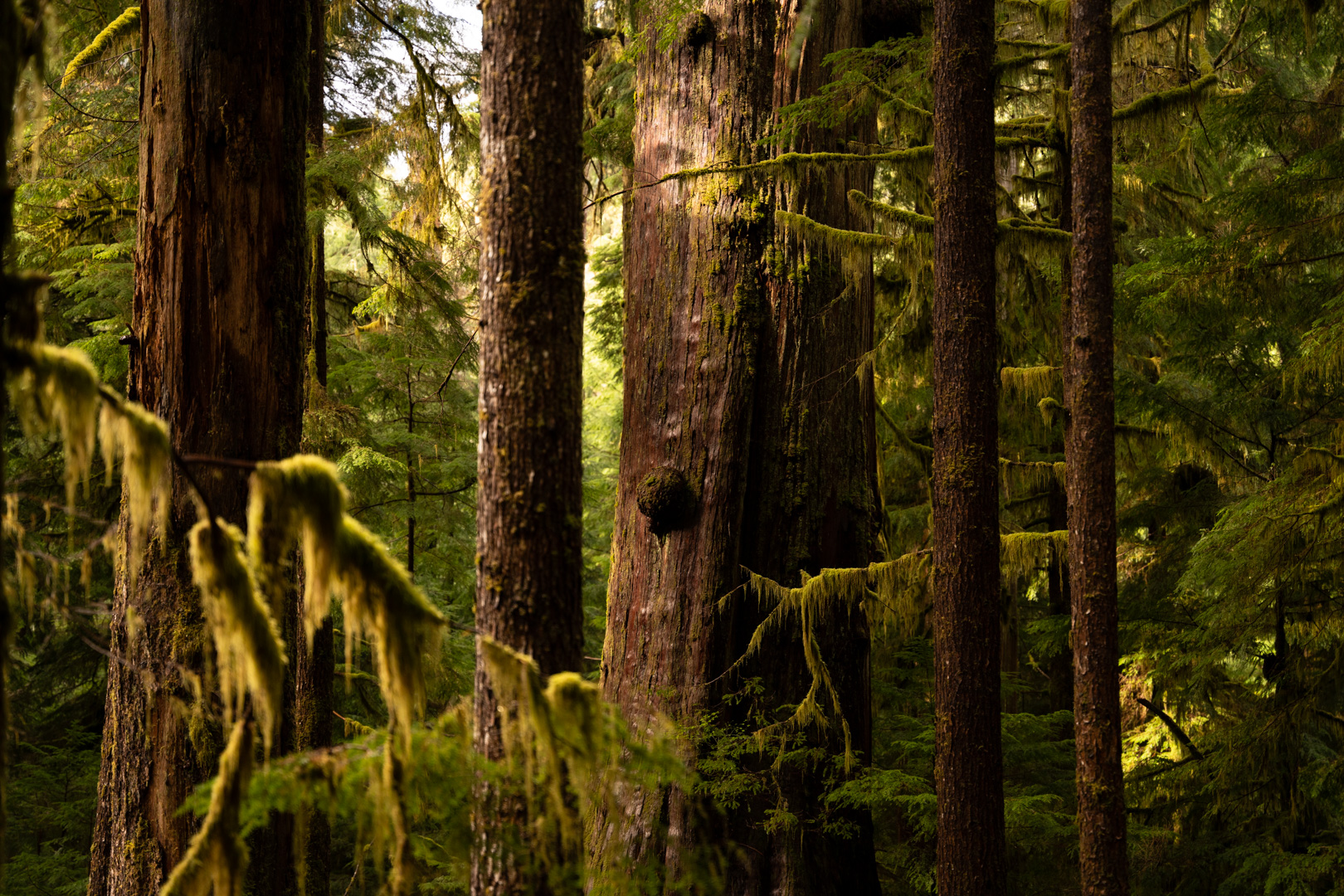
Photo by Mya Van Woudenberg.
FOR IMMEDIATE RELEASE
UNCEDED xʷməθkʷəy̓əm (MUSQUEAM), Sḵwx̱wú7mesh (SQUAMISH) AND səlilwətaɬ (TSLEIL-WAUTUTH) TERRITORIES/VANCOUVER – Sierra Club BC is deeply concerned about the direction outlined in the new B.C. government mandate letters. At a time when the accelerating climate and biodiversity crises are driving up the cost of living, putting communities at risk and undermining the prospects of young people and future generations, there is little recognition of these challenges, and no plan to address them.
“People in B.C. cannot afford a government that treats environmental protection as an obstacle to economic prosperity. Getting rid of CleanBC, repealing DRIPA, and fast-tracking industrial development at the expense of the environment and ecosystems is not going to make life more affordable for British Columbians,” said Jens Wieting, senior policy and science advisor at Sierra Club BC.
The mandate letters treat ecosystems across B.C. as sources of industrial commodities rather than the life-support systems on which our communities and economy depend. The unrealistic and unsustainable annual logging floor of 45 million cubic metres risks accelerating forest degradation, deepening conflict, and undermining long-term job security for forestry communities.
“There’s nothing in here about the watersheds and ecosystems we all depend on. Protecting and restoring old-growth forests, watersheds and biodiversity are essential to community health, safety, and our economy,” said Sierra Club BC Forest Campaigner Joelle Burnie.
The mandate letter for the Ministry of Forests includes a commitment to protect the most endangered old-growth forests and rarest ecosystems but fails to provide any indication of what that would look like.
When it comes to fossil fuels, the mandate letters propose to double fracked gas production by 2032 and triple it by 2035. And instead of proposing a new plan to reduce emissions, the new provincial government is suggesting speculative emissions reductions for fossil fuel exports on the basis that LNG would replace coal abroad. This is despite there being little evidence that LNG is cleaner than coal, established international emissions reporting rules and the risk of displacing cleaner energy resources.
“The mandate letters instruct new ministers to reduce regulations, speed up permitting, make it cheaper for big polluters to continue polluting, and all but abandon environmental and ecosystem protection. How is this going to create better outcomes for the environment or our economy?,” added Burnie.
The proposed repeal of the Declaration on the Rights of Indigenous Peoples Act (DRIPA) also undermines years of progress towards reconciliation, collaborative stewardship and adds more uncertainty for communities and businesses alike.
Sierra Club BC urges the provincial government to build on the independent mapping of 2.6 million hectares of the most at-risk old-growth forests, continue working with First Nations to secure lasting ecosystem protection, come up with a realistic emissions reduction plan, and follow through on commitments to protect 30 per cent of lands and waters by 2030.
“Climate disasters like fires, floods, and heat waves put our communities in danger. They also hurt our wallets by driving up the cost of food, power bills, and home insurance. That’s why reducing climate pollution and conserving intact forests is paramount to reduce the risk of disasters for communities and create economic stability,” said Jens Wieting.
-30-
Media contacts
Jens Wieting, Senior Policy and Science Advisor | Sierra Club BC
jens@sierraclub.bc.ca
Joelle Burnie, Forests Campaigner | Sierra Club BC
joelle@sierraclub.bc.ca