
When the forest breathes: A conversation with Suzanne Simard
Webinar
When the forest breathes: A conversation with Suzanne Simard
June 2026
With her bestselling book ‘Finding the Mother Tree’, forest ecologist Suzanne Simard changed how people view trees and their connections to one another and to other living things in the forest. Now, with her new book ‘When the Forest Breathes’, she uncovers the ways that nature’s deep-rooted cycles of renewal can ensure the longevity of threatened ecosystems.
‘When the Forest Breathes’ is an emboldening declaration that when we take responsible steps, reversing the effects of climate change and ecosystem degradation are within reach. Join SCBC Lead Organizer, Flossie Baker, for a conversation with Suzanne about what nature has to teach us about adaptability, resilience, and community.
Explore resources from the webinar
- You can use our action centre to email your MLA as well as Premier David Eby and ask them to protect old-growth forests in B.C.
- Purchase a copy of ‘When the Forest Breathes’
- Donate to support our World Cup public awareness campaign for old growth protection.
Meet the Speakers
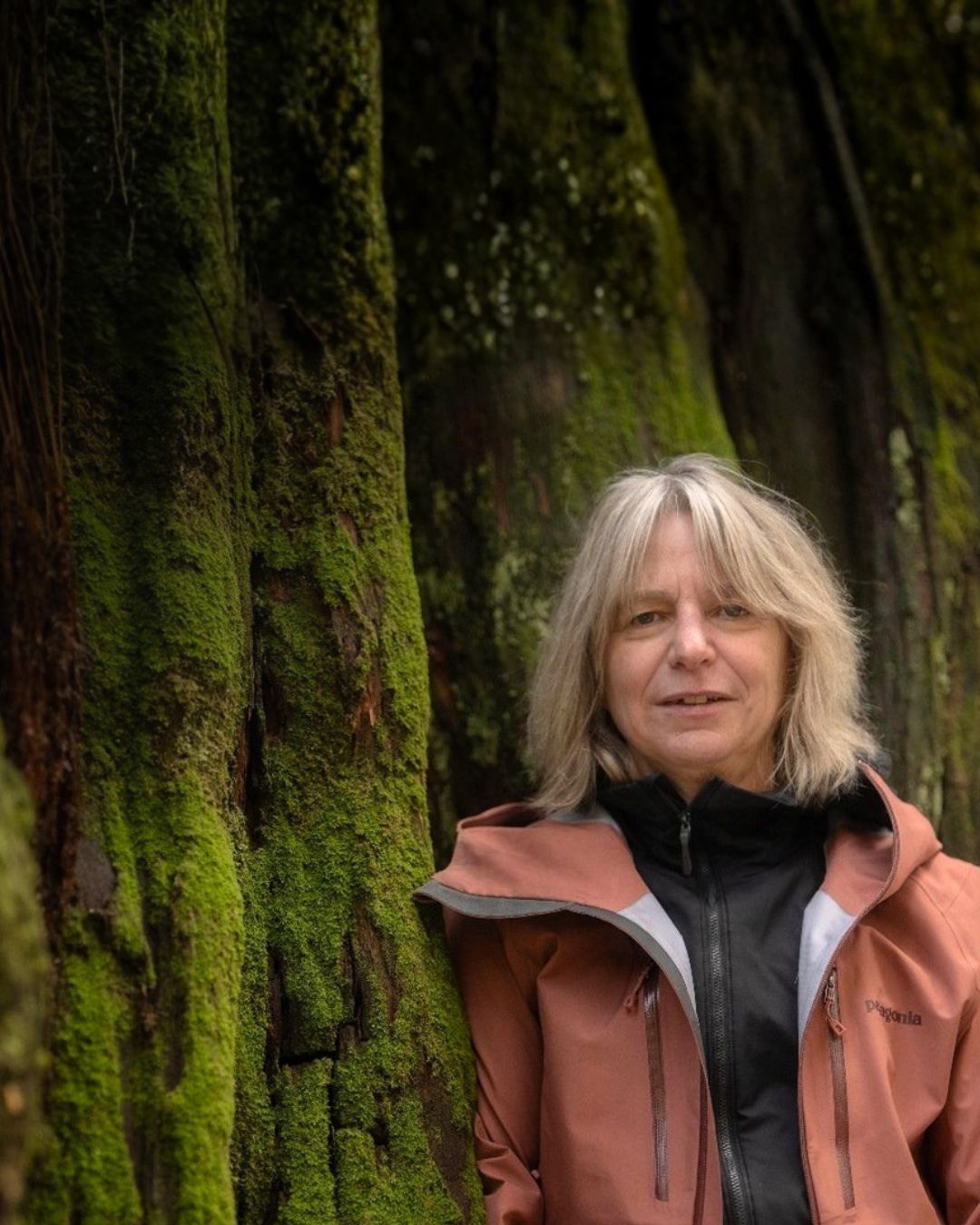
Dr. Suzanne Simard
Suzanne Simard is a Professor of Forest Ecology at the University of British Columbia and the author of the book, Finding the Mother Tree.
She is a pioneer on the frontier of plant communication and intelligence; and has been hailed as a scientist who conveys complex, technical ideas in a way that is dazzling and profound. Her work has influenced filmmakers (the Tree of Souls in James Cameron’s Avatar) and her TED talks have been viewed by more than 10 million people worldwide.
Suzanne is known for her work on how trees interact and communicate using below-ground fungal networks, which has led to the recognition that forests have hub trees, or Mother Trees, which are large, highly connected trees that play an important role in the flow of information and resources in a forest. Her current research investigates how these complex relationships contribute to forest resiliency, adaptability and recovery and has far-reaching implications for how to manage and heal forests from human impacts, including climate change.
Photo Credits: Bill Heath.
Catch up on previous webinars
Donate to support our webinars
We rely on the generousity of people like you to keep popular programs like our webinars running. Will you chip in?

Photo Credits: Mya Van Woudenberg.