
Session 3: Ocean Literacy, Curiosity, and Action
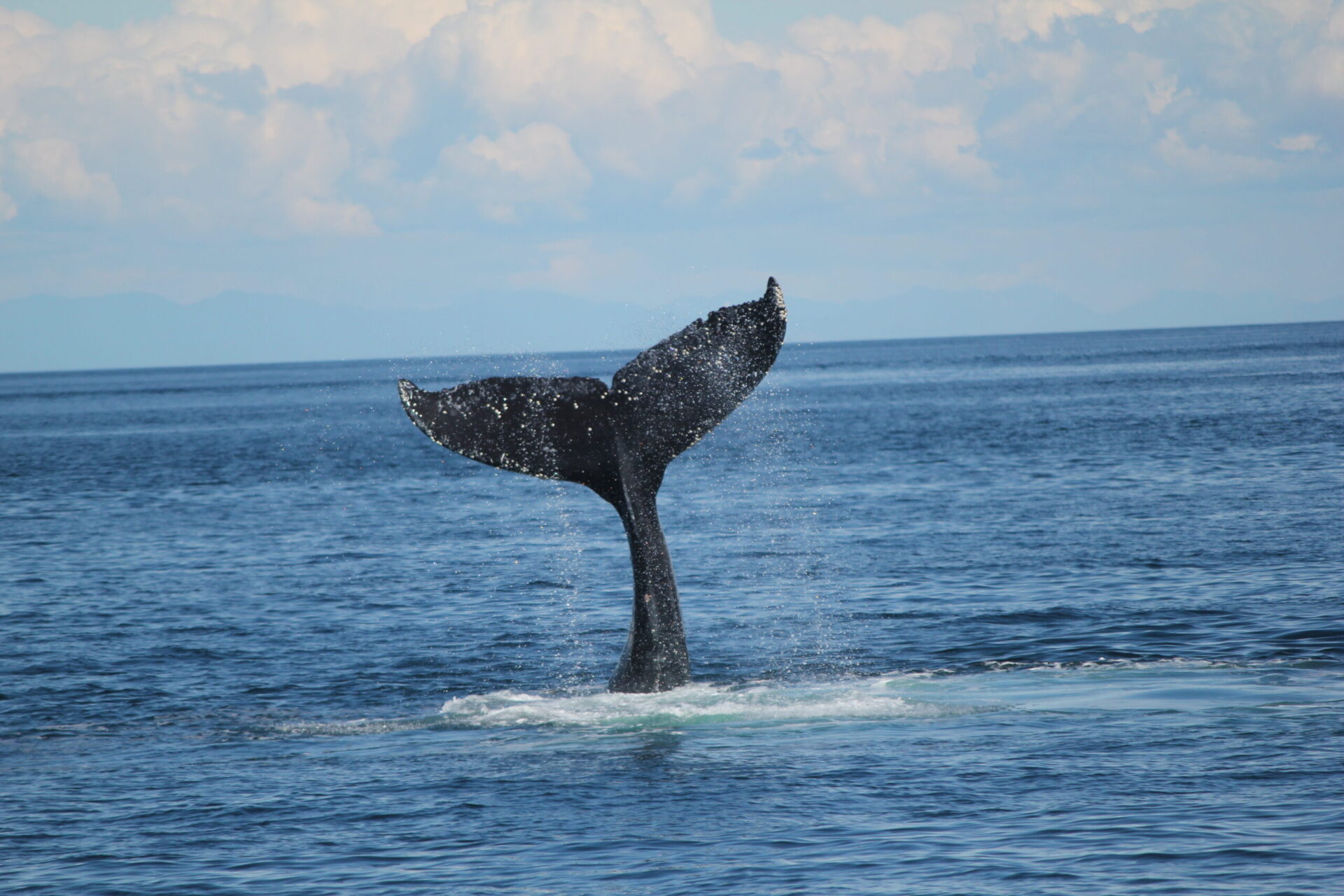
Session 3: Ocean Literacy, Curiosity, and Action (Grades K-12)
Webinar | October 23 at 12:00 p.m. (PT)
How can we transform curiosity into meaningful learning, help young people see themselves in STEM, and create opportunities for youth to take action? In this session, Amy Charles will explore how educators can use storytelling, Indigenous Knowledge, hands-on learning, and real-world questions about oceans and water to create engaging learning experiences for young people. Drawing from her work in ocean education and Indigenous Knowledge and Relations at Ocean Wise, Amy will share practical approaches and resources that can be adapted across K–12 learning environments.
The session will also examine the role of educators as multipliers. When educators have the tools, confidence, and stories to incorporate diverse perspectives into their learning spaces, they can help more young people envision themselves in STEM and recognize the numerous ways they can contribute to environmental work and their communities. Together, we will explore how we can move beyond simply learning about the ocean to asking questions, sharing stories, connecting knowledge to specific locations, and providing youth with meaningful opportunities to turn curiosity into action.
Register today!
Meet the Speakers
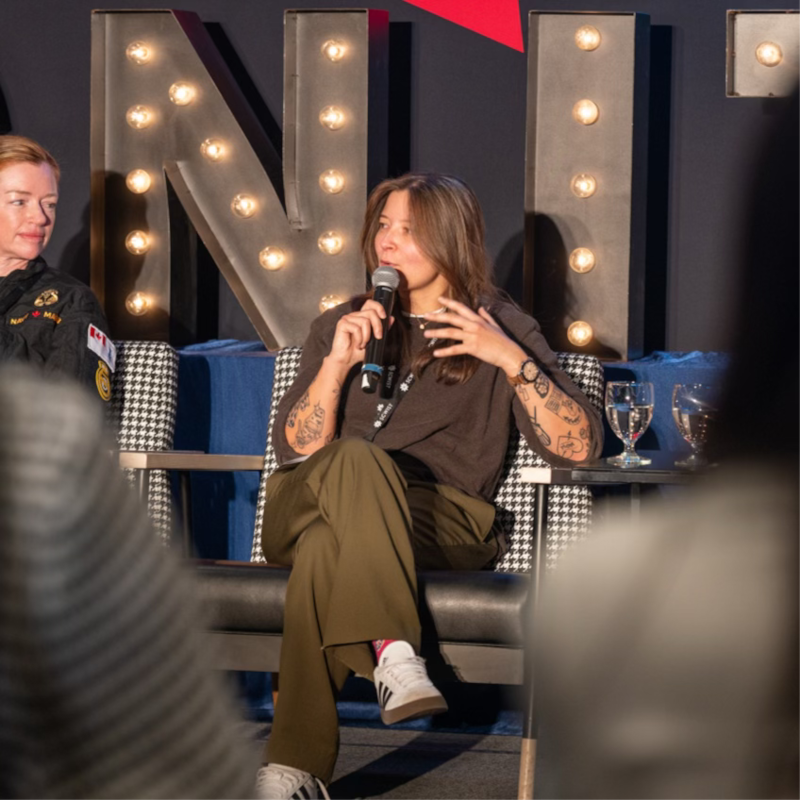
Amy Charles
Amy Charles is the Indigenous Knowledge and Relations Specialist at Ocean Wise, where she supports Indigenous engagement, relationship-building, and weaving Indigenous Knowledge into youth education and conservation programs. Her work combines Indigenous Knowledge, science, water literacy, storytelling, and place-based learning to create meaningful experiences for both young people and educators. Amy is passionate about helping youth see themselves in STEM and understand that there are many ways to be a scientist, educator, storyteller, knowledge holder, or changemaker.
She focuses on creating more inclusive opportunities for learners who have been underrepresented in STEM, while also designing programs that are relevant and welcoming to all students. Through professional development for educators, community partnerships, experiential programming, and youth engagement, Amy equips educators with the tools and confidence to become multipliers in their own communities. Her approach draws on Two-Eyed Seeing, community-based learning, and storytelling to help learners connect knowledge to place, build relationships with water, and move from curiosity to meaningful action. Amy also serves on the board of the Canadian Network for Ocean Education (CaNOE) and Society for Canadian Women in Science and Technology (SCWIST), contributing to national conversations about ocean education, STEM, and creating more inclusive pathways into science and technology.
Photo Credits: Orca Spirit Adventures