How to participate in your local Forest Landscape Plan project
Stories
How to participate in your local Forest Landscape Plan project
July 2026
Right now, you have an opportunity to influence how forests are managed in your community. The B.C. government is currently engaging stakeholders and communities to develop Forest Landscape Plans. These plans will shape the future of forests in your area including what forests will get harvested and how forests will be stewarded. We’ve developed this guide to walk you through how you can participate in this process and speak up for old-growth and other primary forests.
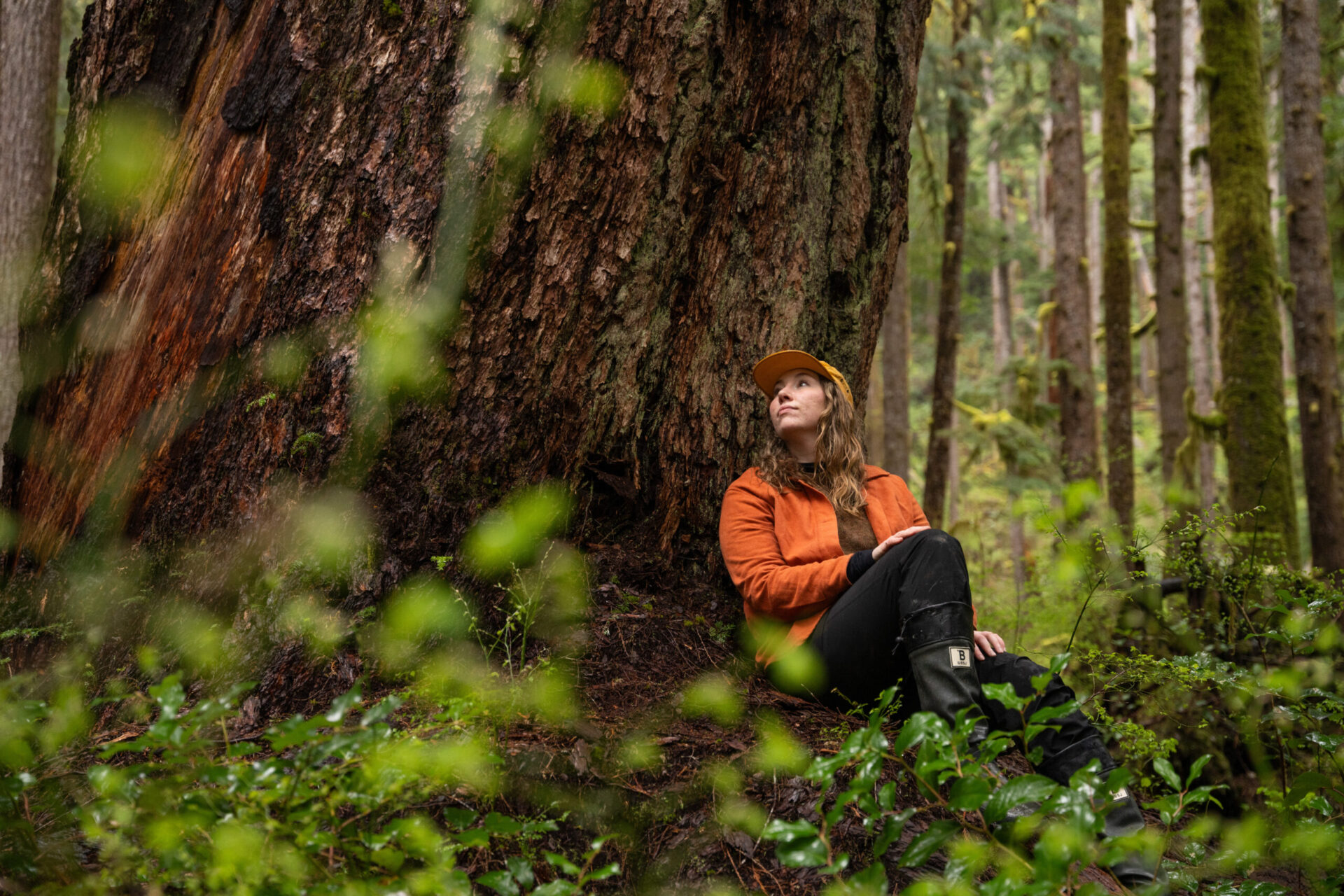
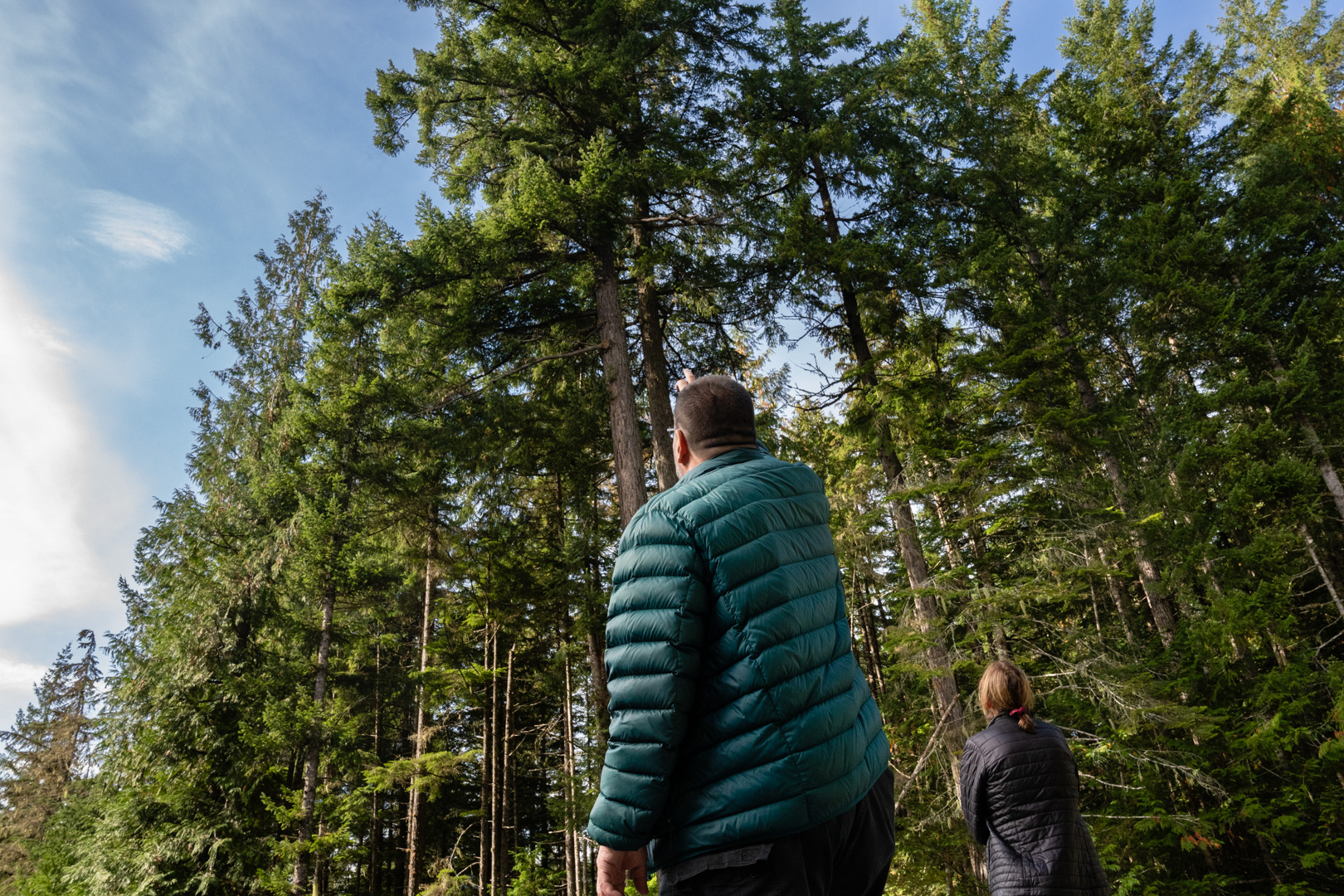
Participating in your local Forest Landscape Plan process is one of the best ways you can speak up for old-growth forests (Photo by Mya Van Woudenberg).
Part 1: Overview
What is a Forest Landscape Plan?
The province of British Columbia introduced Forest Landscape Planning when undergoing a recent review of the Forest and Range Practices Act.
A Forest Landscape Plan or FLP aims to provide high-level strategic direction on how a forest will be managed in a given area, including what forests will and won’t be harvested, stewardship activities, wildfire mitigation, etc.
These 10-year plans will be co-developed with First Nations and involve interest groups and engagement with local communities.
There are 15 different management areas undergoing FLP projects: four pilots were introduced in 2020 and 2021 and 11 were introduced in the last couple of years which are now entering phase 2 and engaging stakeholders and the community in the project.
Each project undergoes 5 different phases before it becomes a finalized FLP.
- Phase 1: Pre-planning
- Phase 2: Values Identification and Assessment (this is the community engagement period you’ll participate in)
- Phase 3: Plan Development
- Phase 4: Plan Establishment
- Phase 5: Implementation and Monitoring
You can learn more about the various phases of the FLP projects here.
This is a good thing, right?
While all of this sounds good on paper and is a step in the right direction, the extent to which FLPs benefit forests and biodiversity will ultimately depend on who is at the table. FLPs do have potential, but only if the right values are considered and there is a huge push from the public to prioritize biodiversity and protection of old growth and primary forests. That’s why it’s important for you to attend the public engagement sessions.
What an FLP does:
- Creates incremental change within a specific timber value area
- Sets direction on what values to prioritize on specific areas of the land base
- Replaces existing Forest Stewardship Plans over time
- Works in conjunction with the Land Use Plan and Forest Operations Plan
- Enables the province to work in partnership with First Nations and local communities
- Covers a defined geographic area like Timber Supply Areas and Tree Farm Licenses
What an FLP does not do:
- Change our entire forest stewardship system
- Provide an immediate solution for old-growth logging and ecosystem degradation across the province
- Automatically prioritize biodiversity
- Create protected areas
- Establish new zoning to determine where development is allowed
- Account for other development activities that may affect forest ecosystems (i.e. mining and pipelines)
Business must not continue as usual
Keep in mind that while FLPs are an opportunity to plan for the future, they take time to develop. Until then, the province will continue to operate under its current practices, which favours industry and motivates them to log more and quickly. Despite the effort of mapping out deferrals, the province is already allowing proposed cut blocks in these areas, putting old-growth and biodiversity at risk.
It’s important to make sure the B.C. government doesn’t use this process to stall immediate action to protect old-growth forests and prioritize biodiversity and ecosystem health.
A Forest Landscape Plan or FLP aims to provide high-level strategic direction on how a forest will be managed in a given area. This includes when and how it will be harvested, stewardship activities and wildfire mitigation (Photo by Mya Van Woudenberg).
Part 2: Why should you participate?
Your voice is needed.
Lots of folks are hesitant to participate in the FLP process because they aren’t sure how their input will make a difference, or they don’t trust the government to take their input into consideration. And rightfully so. We have seen the provincial government backtrack on environmental commitments many times. If you’ve attended a roundtable before, you know that the B.C. government doesn’t always take public comments into consideration.
But the truth is, these plans can only be effective if we show up and push for the right things. If we don’t come together as a community to use our voices when we have the opportunity, we let the provincial government off the hook for doing anything. A strong community presence also helps counter the large number of seats that industry now has at a lot of these tables.
We need you at the table asking serious questions, demanding action to protect old growth and primary forests, and using your voice when red flags are raised. You have the ability to make these plans strong.
Plus, it’s much harder for the province to ignore things when we hold them accountable and show them we are paying attention.
How do I know if there is an FLP project in my area?
The province of B.C. provides a map on their website (see below). The dark green areas are FLP pilot projects. So far, the only pilot project that has a completed draft FLP is TFL 37, the others are nearing competition. The light green is where FLP projects are underway, most in the beginning phases.
Public engagement opportunities are popping up fast, and the province isn’t giving much warning ahead of time. To make sure you’re notified about what is happening in your area, sign up to receive updates here.
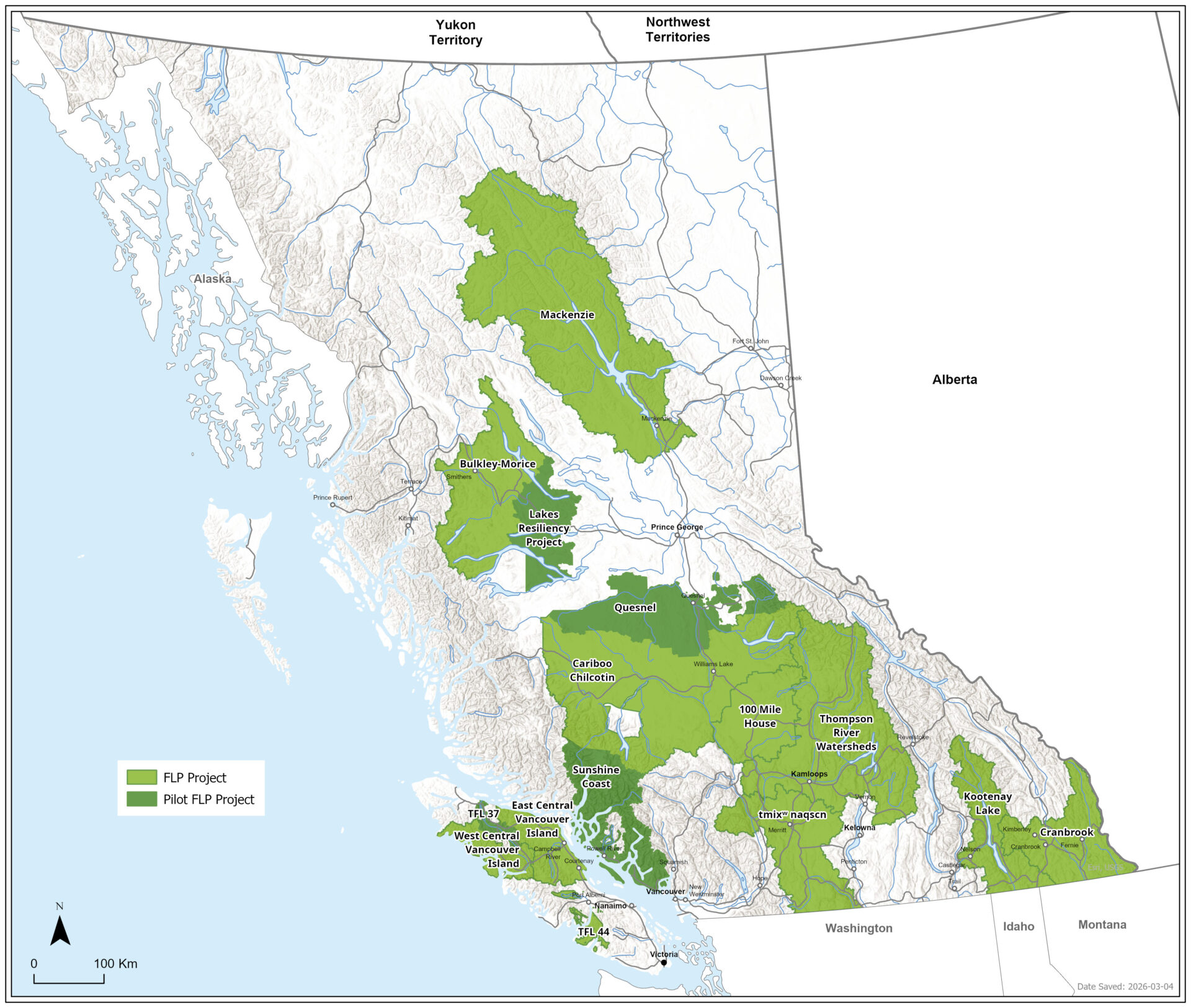
A map from the Government of British Columbia showing the general areas where the FLPs are located. The dark green areas are FLP pilot projects that are nearing the final phases and are beginning to release draft FLPs. The light green is where FLP projects are just getting started.
I don’t know anything about the forestry taking place in my area. Should I still participate?
Absolutely! You do not need to be an expert to participate in public engagement. If you care about forests in your area, that is enough to get started. The section below provides guidance throughout the FLP process and offers tools, questions, and considerations to help you advocate effectively and make informed decisions.
Part 3: How to participate in your FLP Project
Ways to participate
This spring and summer the province will invite the public to share their values and comment on various FLP projects through the following:
- Email updates
- Surveys
- Open Houses
- Public Events
- Information booths
- Advisory group
1) Sign up for email updates to stay in the loop
Every FLP project is unique — the provincial government will determine which of the above methods of engagement will be used for each project. The best way to stay up-to-date on what is happening in your area and how you can participate is to sign up to receive updates here. Under “On this Page” select “Forest landscape planning projects,” select which project is happening in your area, scroll to the bottom, and click the button “sign up for project updates.” There will also be an option to select “email updates” as a way you want to stay involved in the survey.
2) Send in a survey
The first opportunity to offer your feedback and comments is through a survey that is unique to each project. This is one of the most important steps to participate in because it gives the planning committee a clear understanding of what the public wants their future forests to look like. Some of the surveys are more in-depth and ask you to rank forests’ values and priorities, while others are more general.
Suggestions for ranking values
Very Important
- Forest biodiversity & structure
- Fish & wildlife habitat
- Watershed health
- Soil protection & forest regeneration
- Cultural & traditional resource use
- Climate change resilience, carbon storage, and adaption
Important
- Range & grassland ecosystems
- Hunting, fishing, trapping
Moderately Important
- Long- term timber supply
- Wildfire risk reduction and forest resilience
Slightly Important
- Economic stability for forest-dependent communities
- Outdoor recreation opportunities, visual quality and scenic landscapes
Not Important
- Forest road access
Missing values on the survey
Some values we noticed that were missing from these surveys are:
- Old growth and high productive primary forests — there is no mention of these
- Conservation areas to protect at-risk old-growth forests and biodiversity
- Following through with their commitments to the Old Growth Strategic Review (OGSR)
Here’s some more context on ranking “Wildfire Reduction” and “Climate Change” on the survey
Both wildfire and climate change are complex topics. But there are clear positions to take based on science and evidence, so don’t be afraid to speak up on them. Here are some points to bring up or consider during the FLP process. A great resource to refer to is the Intact Forests, Safe Communities report.
Wildfire Risk Reduction
- While wildfire risk reduction is an important value to consider, we need to ensure industry stays out of old growth and other primary forests and does not open up remaining stands to log in the name of wildfire prevention.
- Old-growth and other primary forests create cooler microclimates and are natural sponges: lower temperatures and higher moisture are our best defenses against wildfires. Keeping old growth intact helps mitigate wildfires.
- The forestry industry has been pushing the narrative that logging is the solution to mitigating wildfires and using people’s fear to build support for their case. They would like to log old growth and even protected areas with the excuse of “preventing fire”. Therefore, if a lot of people rank “wildfire reduction” as their highest value, industry and the province could use this to build their case.
- Not all fire is bad. Many forest ecosystems are characterized by fire and supporting Indigenous fire stewardship is one way to better manage these types of forests, including to reduce risks for communities safety.
Climate Change
- Like wildfire, the province promotes logging as a way to mitigate climate change. They argue that if they log more forests to mitigate wildfire then they are reducing the amount of carbon that is released into the atmosphere.
- While climate change is a value to consider, be mindful of how this value might be perceived.
- Old-growth forests store a huge amount of carbon in their soil, provide cooler microclimates, and are resilient to a range of climate impacts like drought, flooding, and wildfire.
Noting when the Survey or draft FLP says “Forest Health” or “Forest Structure”
It’s important to question what type of forests the province is referring to when they say “forests” and “forest health”. Do they mean old or young forests? Diverse tree species or plantations? The province often generalizes the term ‘forests’, when not all are the same. Unlogged forests that are rich in different types of plants and animals are less susceptible than plantations to disease, insect outbreaks, and wildfire.
Filling out the comments section
In the comments section, we recommend sharing the following:
- No more logging of old-growth and other primary forests in any part of the forest management area
- Implement science-based ecosystem targets and set aside older second-growth forests to ensure they recover
- Planning must include long-term solutions that protect old growth and other primary forests and prioritize biodiversity, ecosystem health, and communities
- Final decisions cannot be dominated by the forestry industry and provincial government
- Provide adequate funding and support for First Nations to invest in protecting old growth
- Implement the 14 recommendations from the OGSR
We’re here to help! If you have any questions about the FLP process, please reach out to our Forest Campaigner Joelle Burnie at joelle@sierraclub.bc.ca (Photo by Mya Van Woudenberg).
3) Joining public meetings, events & information booths
The next step after participating in a survey is to attend a public meeting, event or open house. While every forest management area is different based on its size, ecosystems, history, and community, there are specific questions to ask and things to advocate for that apply to all areas.
Ask big questions:
- How is this FLP going to prioritize biodiversity and ecosystem health?
- Does the plan incorporate interim and long-term solutions for the forests recommended for deferrals by the Technical Advisory Panel (TAP)?
- Will this plan contribute to “30 by 30” (i.e. protecting 30% of the land and water in B.C. by 2030), prioritizing the most at-risk ecosystems?
- What is this planning process doing for old growth overall?
- What is happening with the shift from clearcutting to partial harvesting?
- What is the new Annual Allowable Cut in my area?
- How will this FLP support my watershed and riparian health?
- What is the role of the forester going to be in my area to ensure things are done better?
- If our current forest management system is designed not to affect timber supply, how do we ensure ecosystems and old-growth forests are not at risk?
- Is there a plan to protect the most at-risk, least represented ecosystems?
- Is the Annual Allowable Cut in my area low enough to ensure the long-term sustainability of the forest ecosystems?
- Does the plan include a network of legislated protected areas, e.g., co-managed conservancies, parks and protected areas?
- Are there science-based targets for the protection of every ecosystem type in the FLP area, that are fine-filtered enough to include forest productivity distinctions (i.e., areas that grow small, medium, or large trees)?
A reminder that if you do attend public events, please be kind to the staff. This helps your voice be heard and your comments be taken into consideration.
Things to advocate for:
1. Implement the following recommendations from the Old Growth Strategic Review:
- Recommendation 2: Prioritize Ecosystem Health and Resilience through a finalized Biodiversity and Ecosystem Health Framework and enacted into law.
- Recommendation 6: Immediate response to ecosystems at very high risk and keep old growth standing to allow for planning, including providing funding to enable conservation options.
2. Prioritize immediate protection of big-treed high-productivity forests to meet 30 x 30 targets instead of continuing to “protect” ecosystems not threatened by logging.
3. Support First Nations leadership with adequate funding and capacity to achieve interim and long-term conservation solutions, rather than offloading responsibility without resources.
4. Solutions-space funding to cover the short-term lost revenues of First Nations that choose to undertake old-growth logging deferrals in the FLP area.
4) Join an Advisory Group
Advisory Groups are the highest level of engagement. Volunteers in the advisory groups are invited to attend meetings and offer feedback at specific stages of the FLP project.
If you choose to participate in this way or you need more guidance, we are offering one-on-one localized support for each FLP area. Reach out to joelle@sierraclub.bc.ca for more information.
Part 4: Next steps once you’ve participated in the FLP engagement process
1. Follow up on your comments and ask staff to talk through comments with you.
2. Stay updated on what is happening in your project area.
3. Join as an advisory group.
4. Offer comments on the draft FLP when it is released.
- If you are in an area where there has been an FLP pilot project and they have released a draft FLP, take some time to read through it.
- The plans can be complex and hard to understand, so if you need support, reach out to us and we can help you craft comments, answer questions or direct you to experts in your area for support. You can email our Forest Campaigner Joelle at joelle@sierraclub.bc.ca.
- The pilot project areas are: (a) Sunshine Coast Forest Landscape Planning Pilot and Timber Supply Review; (b) Quesnel TSA Forest Landscape Planning Pilot; (c) Tree Farm License 37 Forest Landscape Planning Pilot; and (d) Lakes Resiliency Project.
5. Share this process with a friend to get them involved.
Part 5: Additional Resources
If you want to read up on the current state of forests in B.C. and the many benefits intact forests provide our communities, check out these reports.
Have questions? We’re here to help!
Message our Forest Campaigner Joelle Burnie at joelle@sierraclub.bc.ca.
You can help protect healthy ecosystems
Donate today. Together, we can build a brighter future.