Local Leader Spotlight: Brad Foster
Local Leader Spotlight
Brad Foster
Meet Brad Foster, a local leader working to protect a very special area in the Okanagan Valley.
Brad Foster grew up in the Lower Mainland and moved to the Okanagan Valley in 2002. He is an avid hiker who has spent a lot of time appreciating nature in local provincial parks and mountains. Brad has been working with local governments and organizations to help promote the protection of a very special area in the North Okanagan called the Commonage.
This unique area is absolutely vital for ensuring the ecosystem health of the region. Protecting the Commonage is incredibly important if we want to preserve habitat corridors up and down the Okanagan and the rare and endangered species that call the area home. The Commonage is also a historical site with cultural importance to the Syilx People of the Okanagan Nation.
Read on to learn more about Brad and his inspiring work. This interview has been edited for length and clarity.

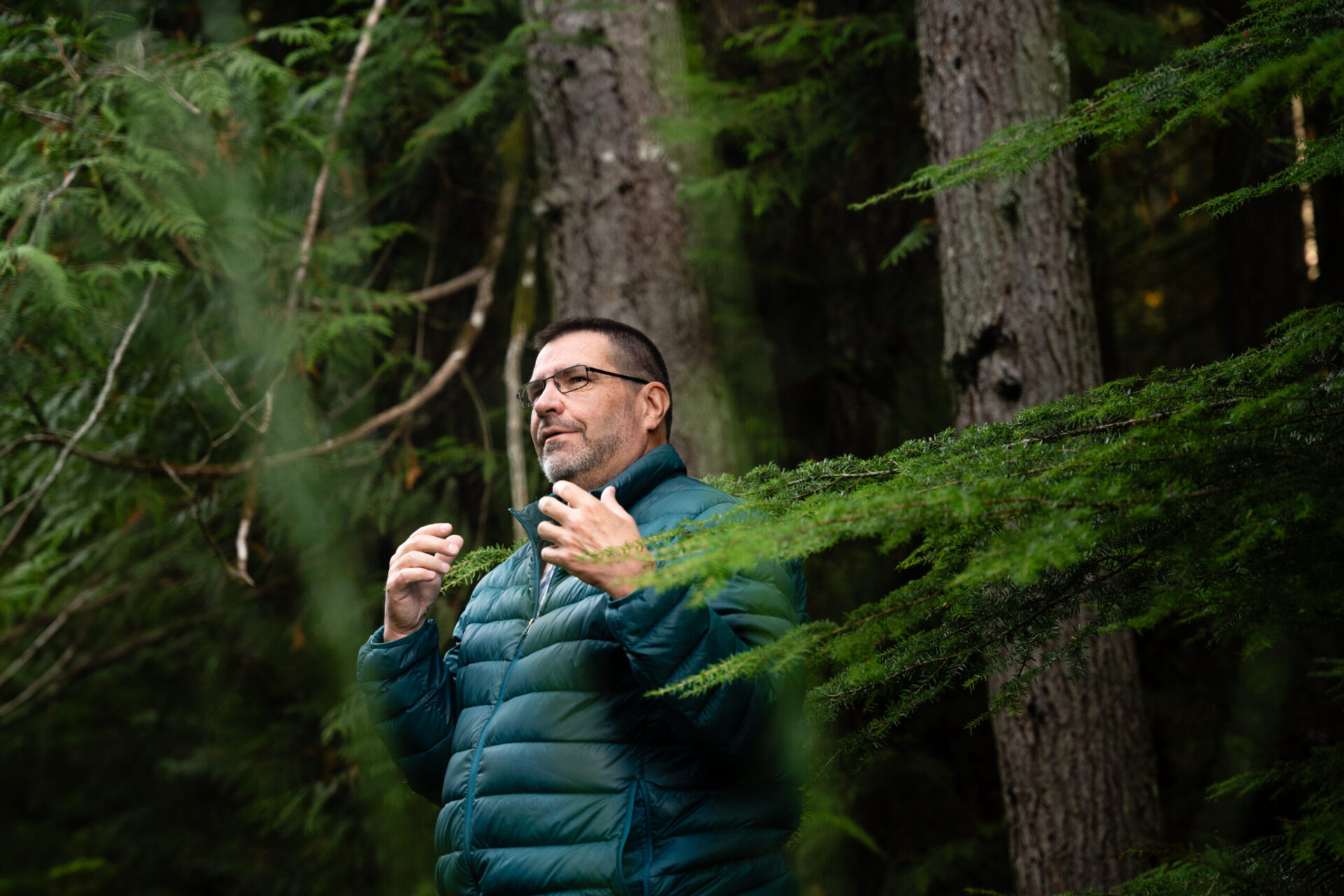
Meet Brad Foster, a local leader working to protect a very special area in the Okanagan Valley. (Photo by Brad Foster).
Can you tell us about the project “Preserve the Commonage”?
Years ago, when I was working with Sierra Club BC, I led the Okanagan Chapter for five years. I was looking at all the grasslands in the Vernon area, but it was too large to scope and some of it was lost in that time. I decided to focus on one area that’s most at risk of development, which is the Commonage because there’s already large scale developments, some of which have been built over the last years that are cutting off and fragmenting the wildlife corridors.
I decided to focus on that and get the support of local, similar minded people. Plus, see if we can encourage more people to look at the lack of protection of the natural areas and wildlife, and think about the habitat and the corridors they need.
How has the campaign been received by the people in your area and what impacts do you see the campaign having?
Very good. The Facebook group was an idea that I learned from the Naramata Bench folks. They had a lot of success spreading the word and getting followers. So, I tried that up here and it’s grown to 200 people in just a few months. There are also the other environmental groups that are connecting with what I’m doing on the “Preserve the Commonage” Facebook page and they help grow the interest.
We are so impressed with how strategic you’ve been with the campaign by focusing on a very specific area, highlighting its importance, bringing in community partners and working with the city. What lessons do you have for others around the province who are passionate about protecting a particular area?
Try to communicate with as many organizations and people as possible to get the support to move forward with a campaign. Many groups are trying to protect corridors and large landscapes using the same concept that I’ve been working on, but on a larger scale. Get connected with them and correspond with them. Hopefully they’ll help out.
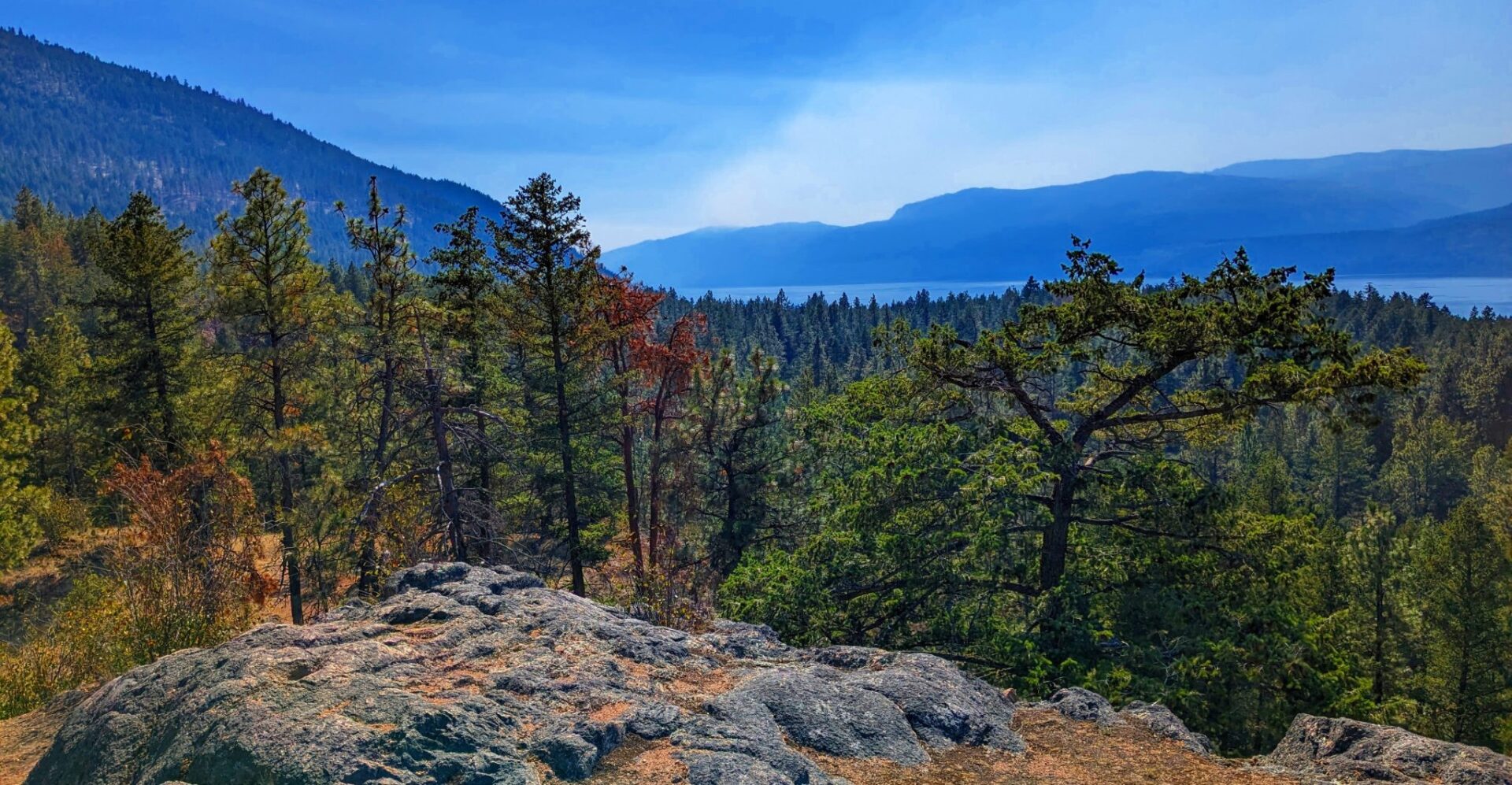
This unique area is absolutely vital for ensuring the ecosystem health of the region. Protecting the Commonage is incredibly important if we want to preserve habitat corridors up and down the Okanagan and the rare and endangered species that call the area home. (Photo by Brad Foster).
What inspired you to take action for conservation?
I think that nature has the right to live sustainably on this planet. And there are ways to design urban development and agriculture with nature in mind. If it’s Douglas fir on the coast or whether it’s western red cedar or whether it’s the grasslands up here, it’s been around since the glaciers retreated. We need to try to protect them. And it’s not just the grasslands, it’s all the unique habitat.
This area is so unique. You can walk up a creek canyon and in the next creek you’d swear you’re on the coast because there’s red cedar, and then you get up to the top of the hill and there’s dry grassland with sage, all within a 10-minute walk.
We’re very grateful to have local leaders like you who dedicate themselves to protecting life-sustaining ecosystems and inspiring people to do the same. Any final words?
Grasslands are rich in habitat and they need more protection. Other than the Osoyoos area, they don’t get much attention. If we only concentrate on one area that leaves a wall up north and we don’t have that corridor as it ties into the Thompson River. That’s where all the species travel to access the entire region. Species need to move across habitat to survive. That’s why we need corridors.
It will take a lot of work but with on-going support, in a matter of a few years we can protect the majority of the most vulnerable wildlife and their habitat in the North and Central Okanagan.
Get inspired by other local leaders we collaborate with

You can help protect healthy ecosystems
Donate today. Together, we can build a brighter future.