
Sub-boreal Interior Ecoprovince - Sierra Club BC
Skip to content
Sub-Boreal Interior

Loading EcoMap

Sub-Boreal Interior

The Sub-Boreal Interior ecoprovince is a high elevation area, with plateaus and flatlands surrounded by mountains. The area is in a dry rainshadow, and the summers are dry and short while the winters are cold and long.

The ecoprovince is made up of the territory of the Dunne-za, Tahltan, Kaska, Dena, Sekani, Nat’ooten, Gitxsan, and Nisga’a First Nations.

The area is known for its wetlands, lakes and streams. There are large alpine tundras in the mountain areas, and the rest of the landscape has dense forests of spruce, fir and other coniferous and deciduous trees.

The major cities are Prince George and Mackenzie.
Species of the Sub-Boreal Interior

Filter by Taxonomy

Filter by EcoProvince

American Kestrel

American Kestrel

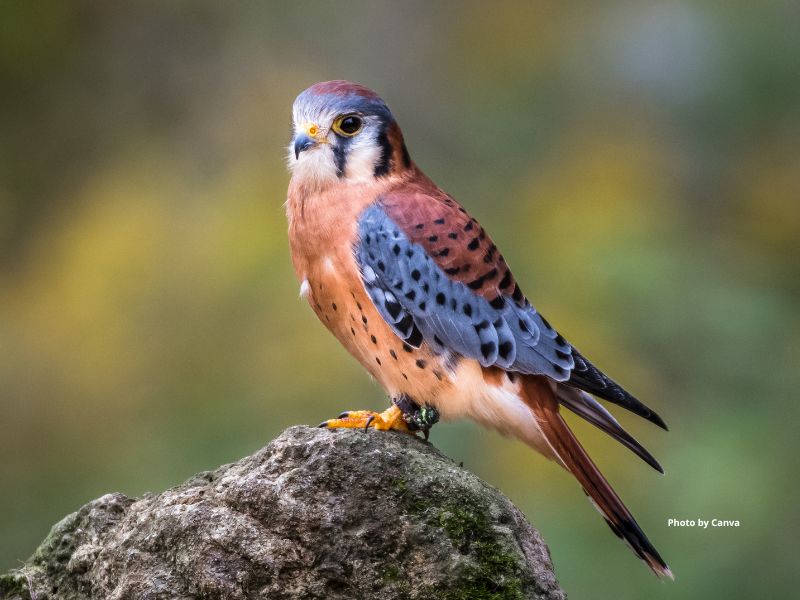
The American kestrel is the smallest falcon in North America and weighs only 3 or 4 ounces.

Bald Eagle

Bald Eagle

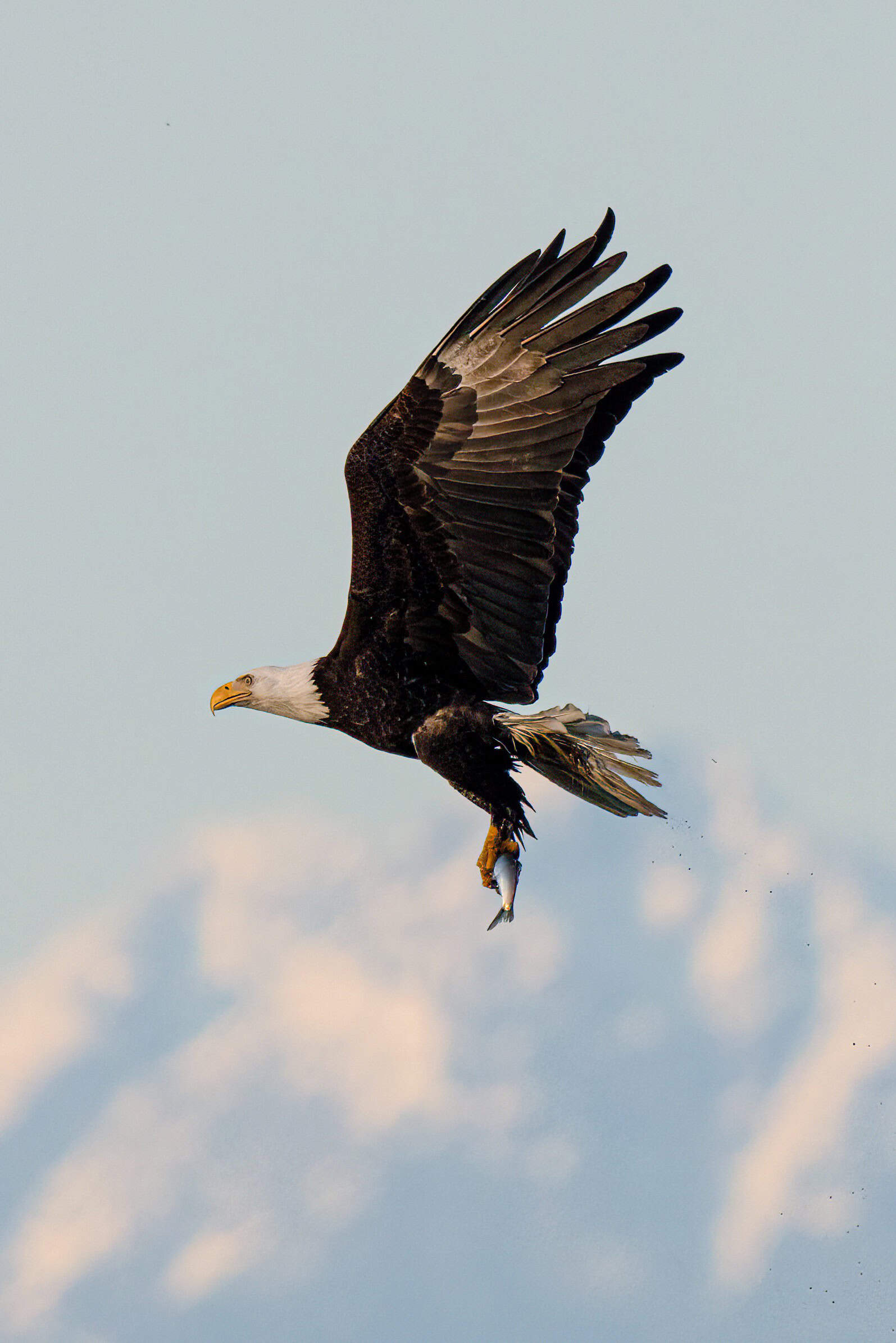
Bald eagles are found all over B.C. and the U.S. The largest populations in North America live in B.C. and Alaska.

Beaver

Beaver

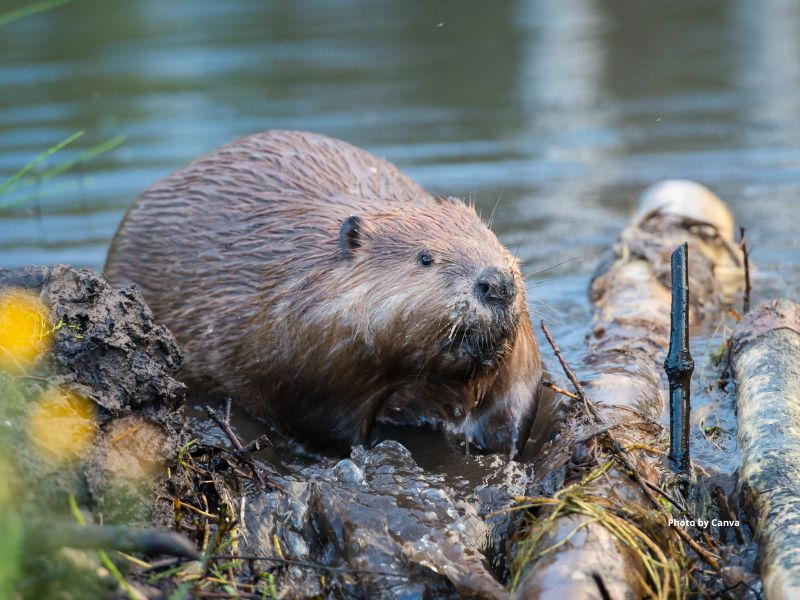
The beaver possesses many gifts! They are adept at swimming, building, and tree chomping.

Black Bear

Black Bear

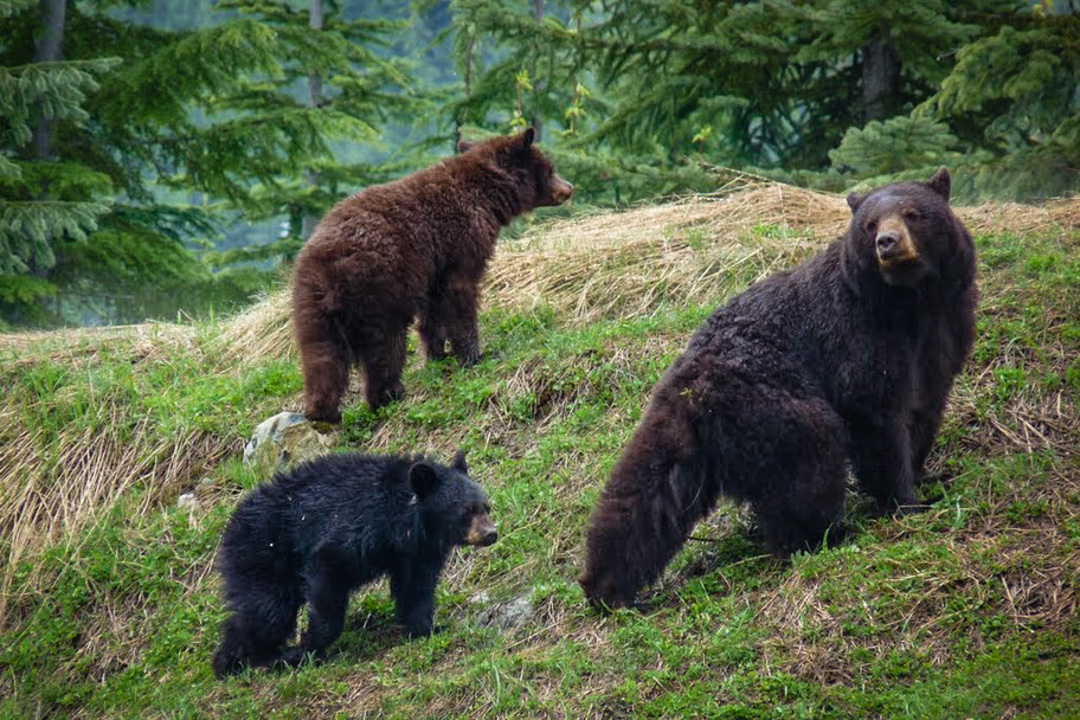
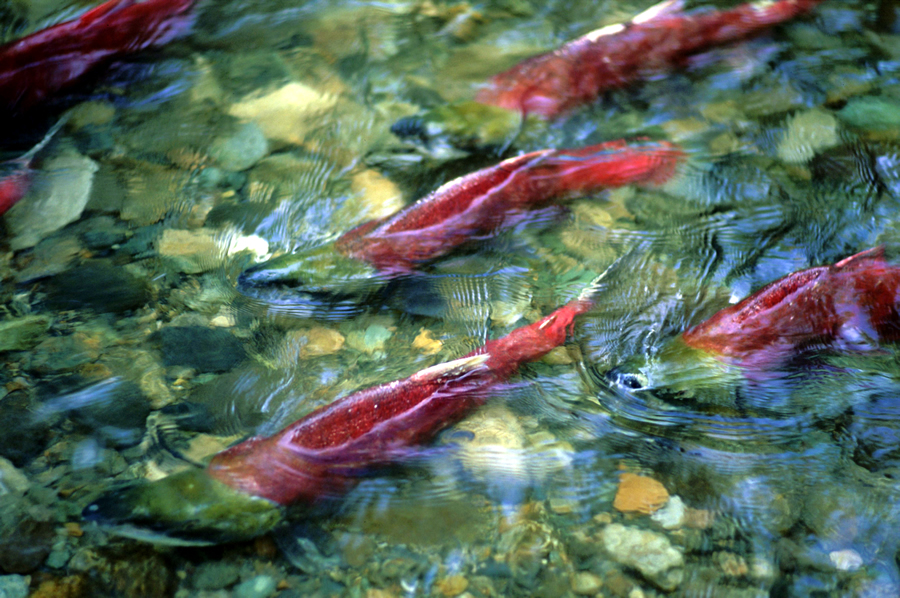
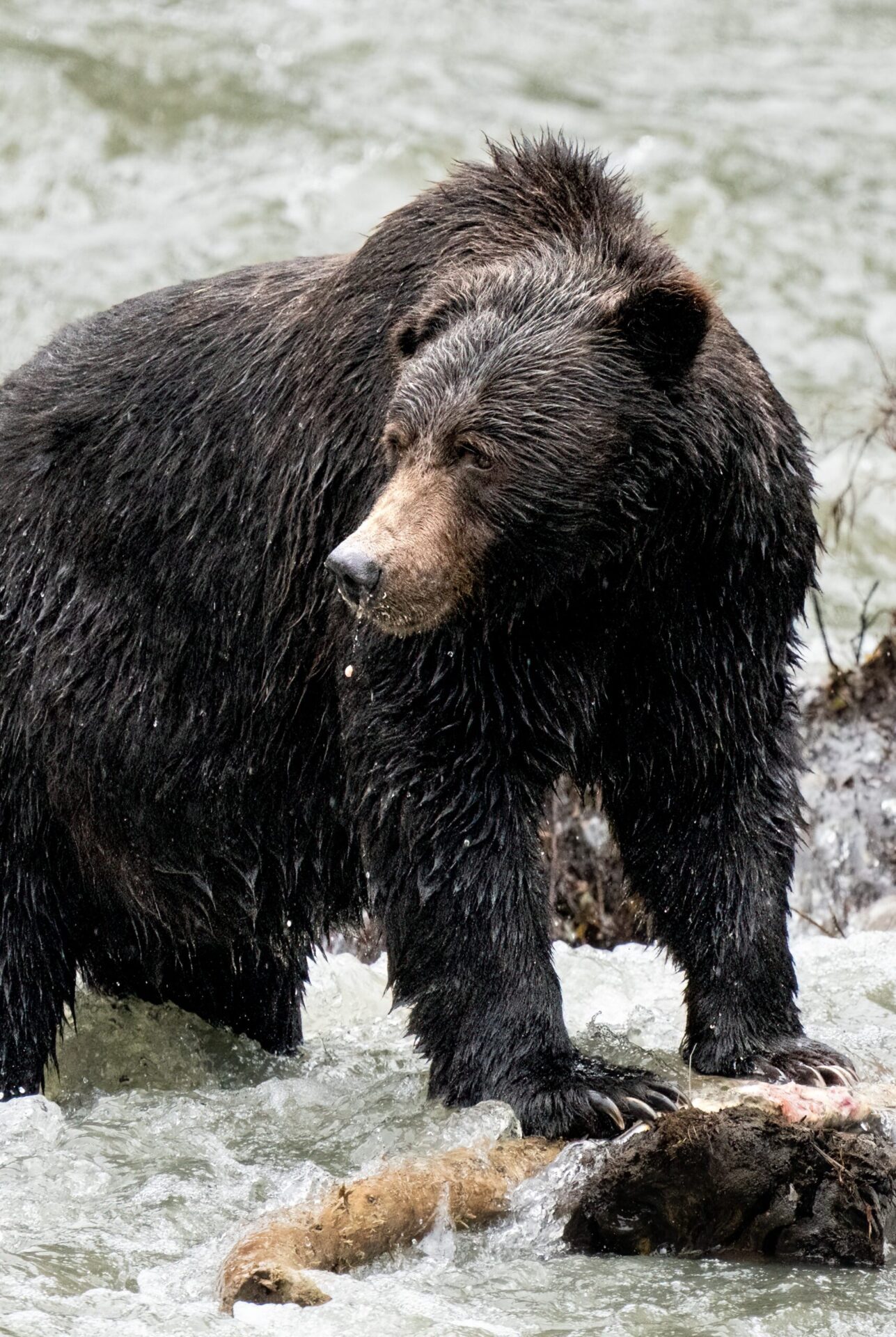
Black bears and Pacific salmon play an important part in maintaining our forest ecosystems.

Black Cottonwood

Black Cottonwood

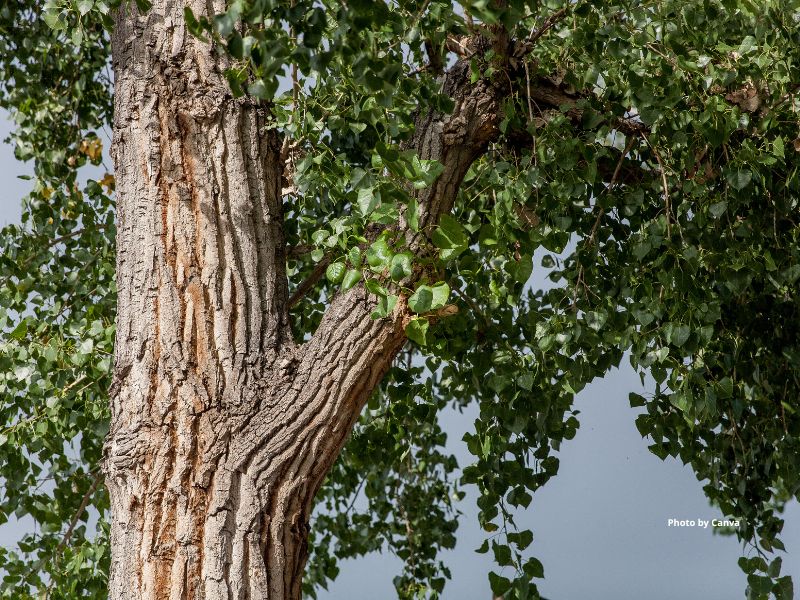
Black cottonwood gets its name from their fluffy white seeds, which look like cotton. These seeds can be seen floating through the air in late spring.

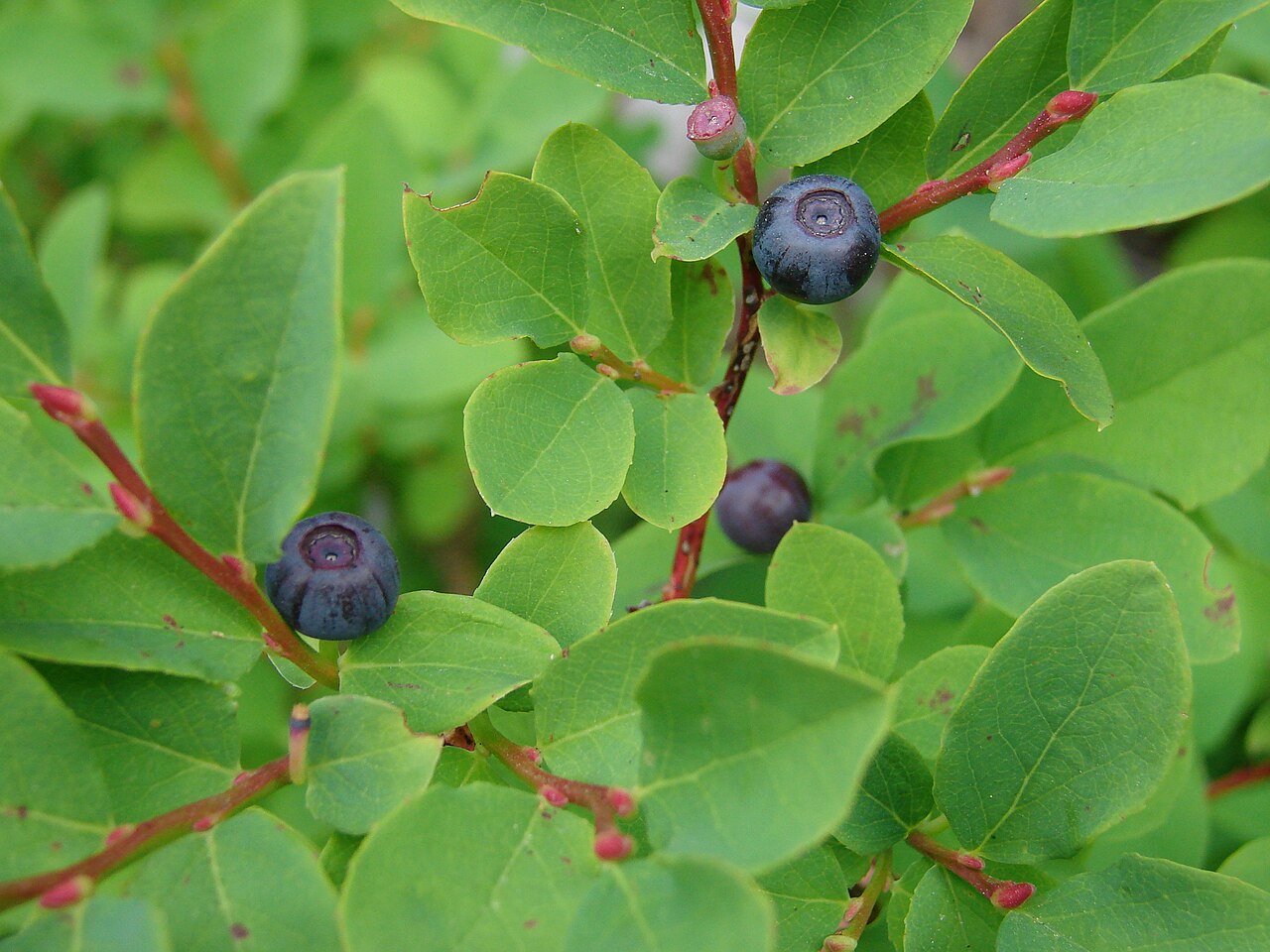
Black Huckleberry

Black Huckleberry

Black Huckleberry is an important food in many First Nations communities. These berries can be eaten fresh, cooked, or dried into cakes.

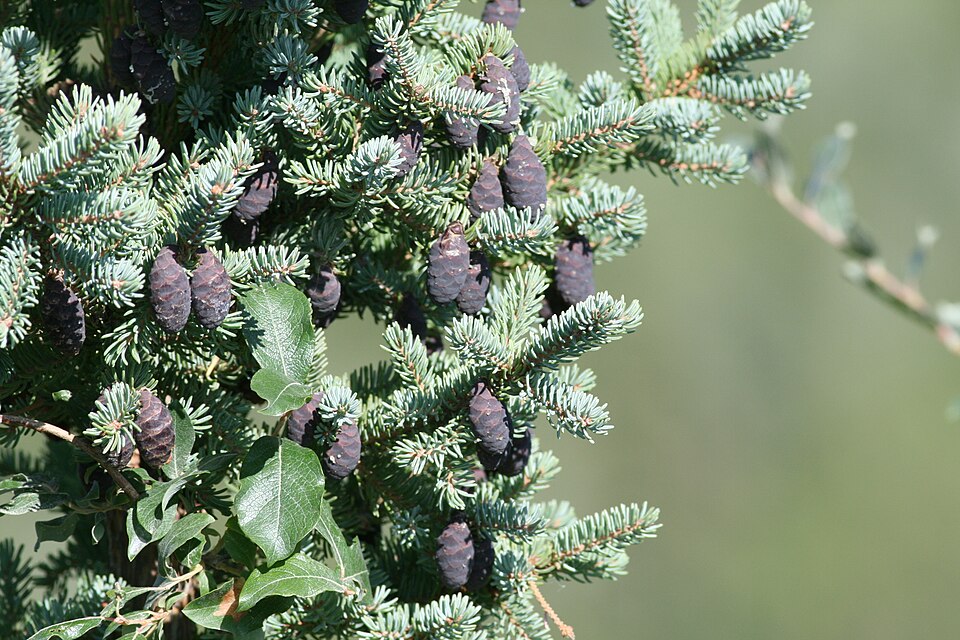
Black Spruce

Black Spruce

The black spruce can live for up to 250 years! Their cones which appear in clusters, are recorded to stay on the tree for 20 to 30 years at a time.
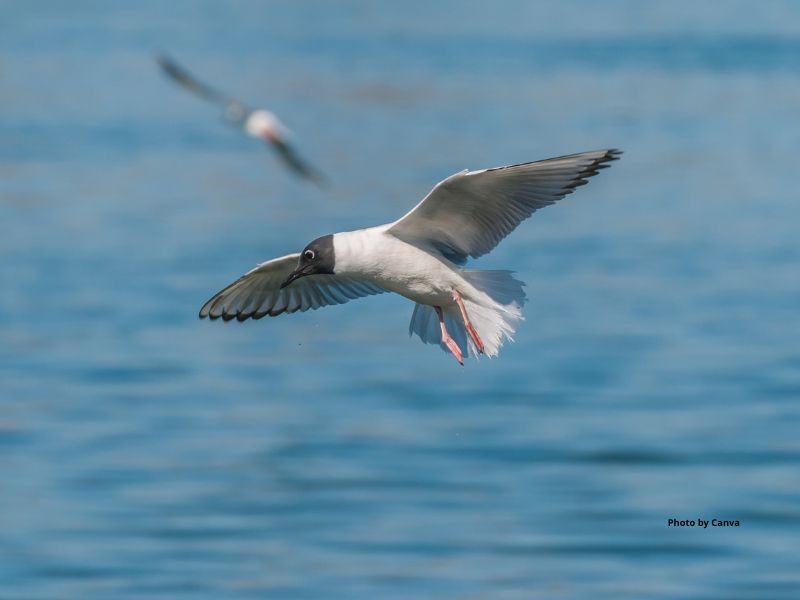
Bonaparte's Gull

Bonaparte's Gull

These gulls nest in large numbers and produce two to three eggs at a time. These gulls are gifted with agility.
Boreal Chickadee

Boreal Chickadee

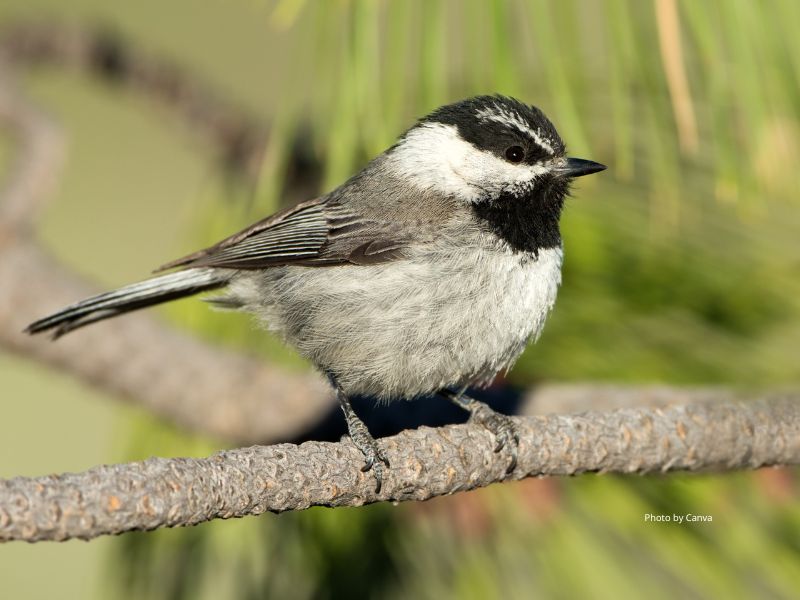
Boreal chickadees are an important indicator species of boreal ecosystems!

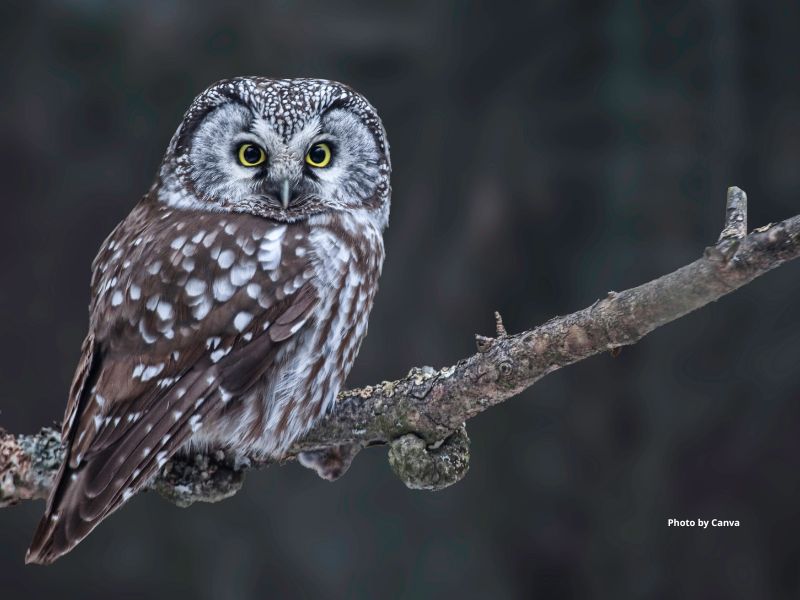
Boreal Owl

Boreal Owl

Boreal owls are gifted with incredible hearing. The position of their ears allows them to locate their prey.

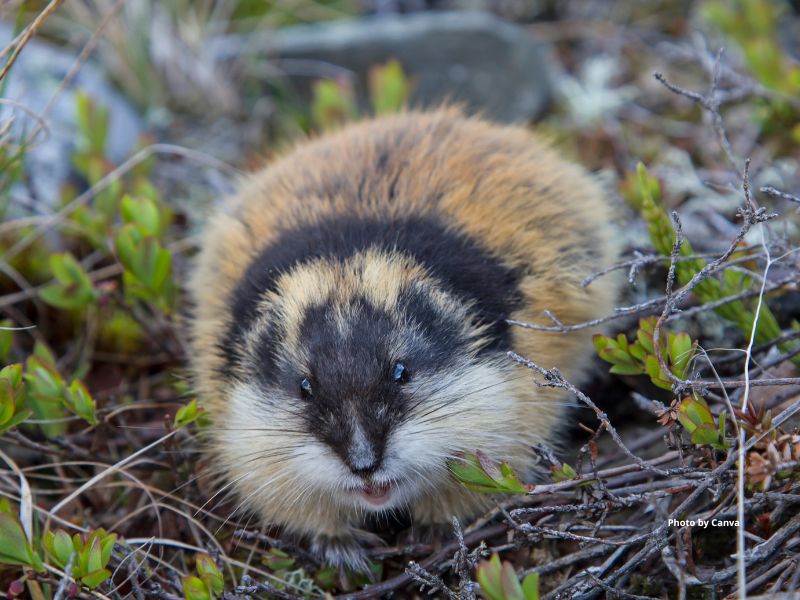
Brown Lemming

Brown Lemming

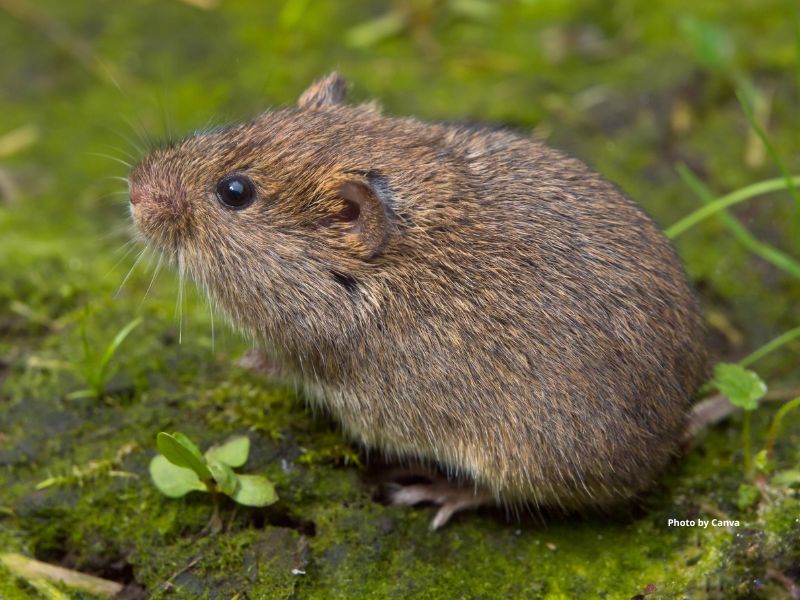
Brown lemmings love to live in the cold! They like to eat mostly arctic grasses and moss.

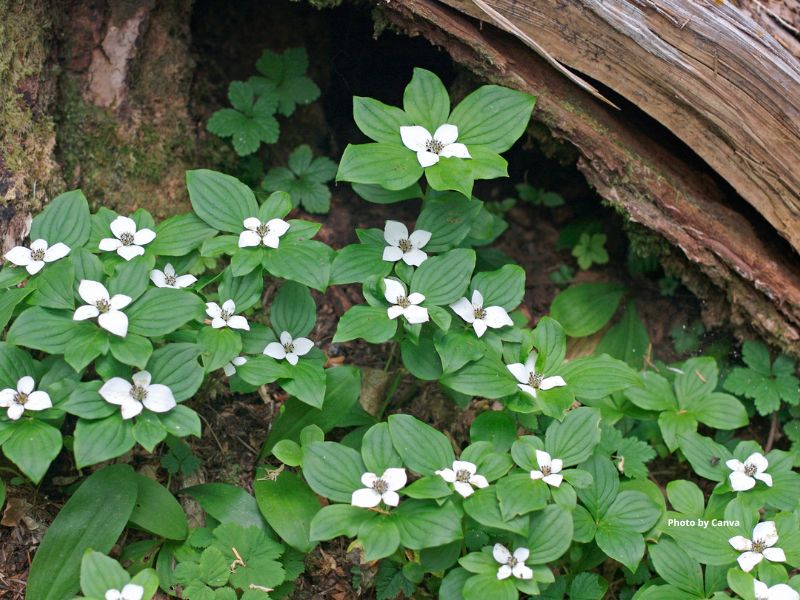
Bunchberry

Bunchberry

Bunchberries flower in May and June, later in the Northern Mountains and frequently flower a second time in the fall.